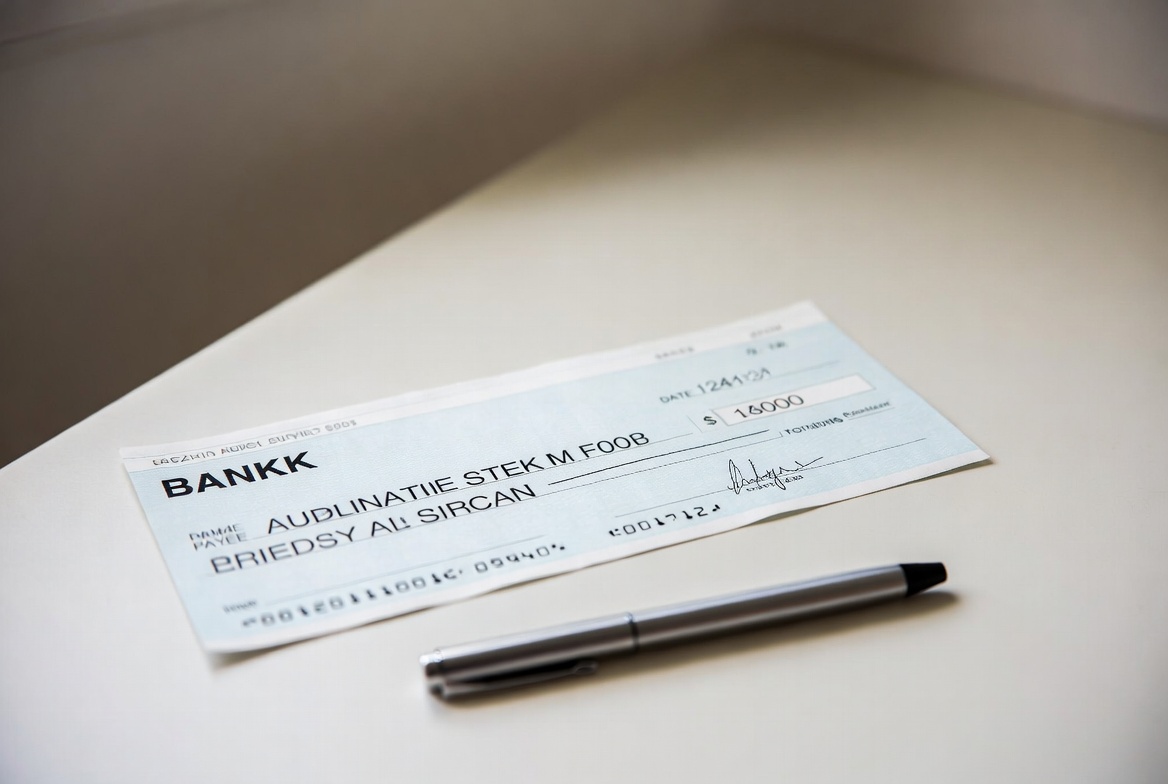
Understanding how to write a check is a fundamental financial skill that remains relevant despite the rise of digital payments. While electronic transfers, mobile wallets, and online banking dominate modern transactions, checks continue to play an essential role in personal finance, business operations, legal documentation, and formal payments.
Many institutions still require checks for rent, government fees, charitable donations, escrow payments, and certain business transactions. Knowing how to write a check properly ensures accuracy, professionalism, and financial security. A poorly written check can result in delays, rejection, or even fraud-related complications.
This comprehensive guide explains how to write a check in precise detail, from understanding each component to avoiding common mistakes. Whether you are writing your first check or refining your financial skills, this article provides everything you need with clarity, authority, and confidence.
Why Learning How to Write a Check Still Matters
Although checks may seem outdated to some, they remain deeply embedded in financial systems worldwide. Learning how to write a check is valuable for several important reasons:
- Checks create a written financial record
- They are widely accepted for formal payments
- They offer controlled authorization of funds
- They are often required for large or official transactions
- They provide legal documentation in disputes
Understanding how to write a check ensures that you can navigate both traditional and modern financial environments with confidence.
What Is a Check? A Clear Definition
A check is a written, dated, and signed financial instrument that instructs a bank to pay a specific amount of money from the writer’s account to a named recipient. Learning how to write a check begins with understanding that a check is a legally binding directive, not merely a note or request.
Every check contains standardized fields that must be completed correctly for it to be valid. Each element serves a specific purpose, and missing or incorrect information can render a check unusable.
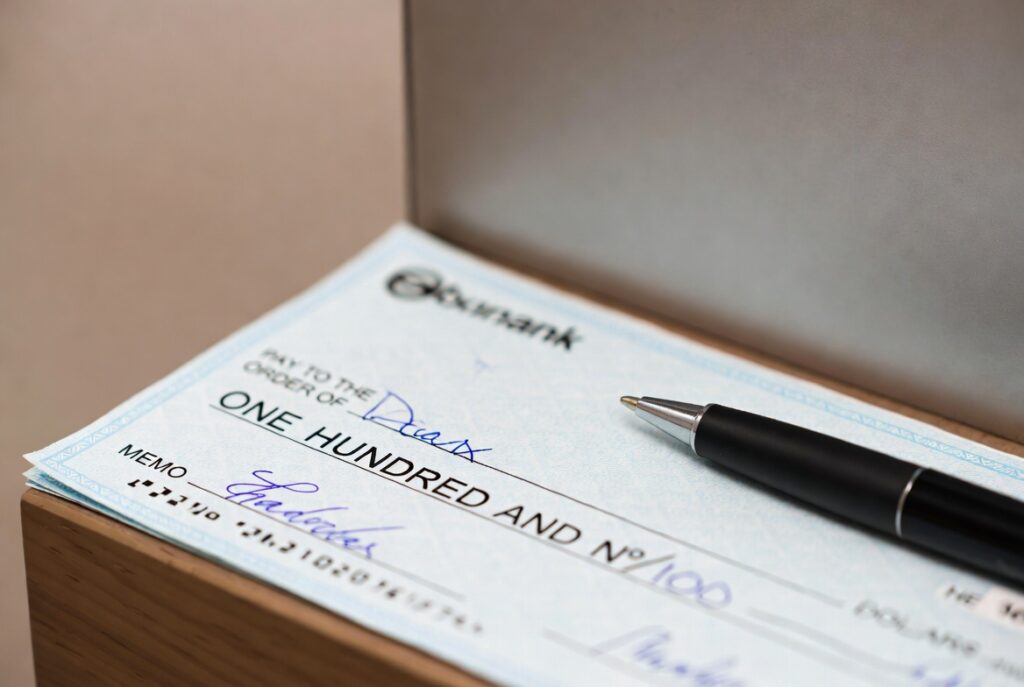
Understanding the Parts of a Check
Before learning how to write a check, it is essential to understand each component printed on a standard check.
Personal Information Section
This includes your name and address, printed at the top. It identifies the account holder issuing the check.
Date Line
This indicates the date the check is written. Knowing how to write a check properly includes understanding date formatting and timing implications.
Payee Line
This specifies who will receive the funds. Writing the payee correctly is crucial when learning how to write a check securely.
Numeric Amount Box
This box contains the payment amount written in numbers.
Written Amount Line
This line spells out the amount in words, serving as a legal confirmation of the numeric value.
Memo Line
This optional section explains the purpose of the payment.
Signature Line
Your signature authorizes the transaction. Without it, the check is invalid.
Routing and Account Numbers
Printed at the bottom, these numbers allow banks to process the check accurately.
Understanding these parts forms the foundation of how to write a check correctly.
Step-by-Step Instructions on How to Write a Check
Learning how to write a check becomes simple when broken into clear steps.
Step 1: Write the Date Correctly
Write the current date on the date line. Use a standard format to avoid confusion. Writing future dates, known as postdating, may delay processing.
Accurate dating is a fundamental part of how to write a check properly.
Step 2: Write the Payee’s Full Name
On the “Pay to the Order of” line, write the full legal name of the recipient. Avoid abbreviations or nicknames.
Precision at this stage is critical when mastering how to write a check, as errors can lead to rejected or misdirected payments.
Step 3: Write the Amount in Numbers
Enter the payment amount in the numeric box. Always include cents, even if the amount is a whole number.
Correct numerical formatting is a core rule of how to write a check accurately.
Step 4: Write the Amount in Words
Spell out the amount on the written amount line. Cents should be expressed as a fraction of 100.
This step is one of the most important aspects of how to write a check, as banks prioritize the written amount over the numeric one in case of discrepancies.
Step 5: Add a Memo (Optional but Recommended)
The memo line can indicate the purpose of the payment, such as rent, invoice numbers, or services rendered.
While optional, this step enhances record-keeping when learning how to write a check responsibly.
Step 6: Sign the Check
Sign your name exactly as it appears on your bank account. The signature authorizes the transaction.
No guide on how to write a check is complete without emphasizing the importance of a valid signature.
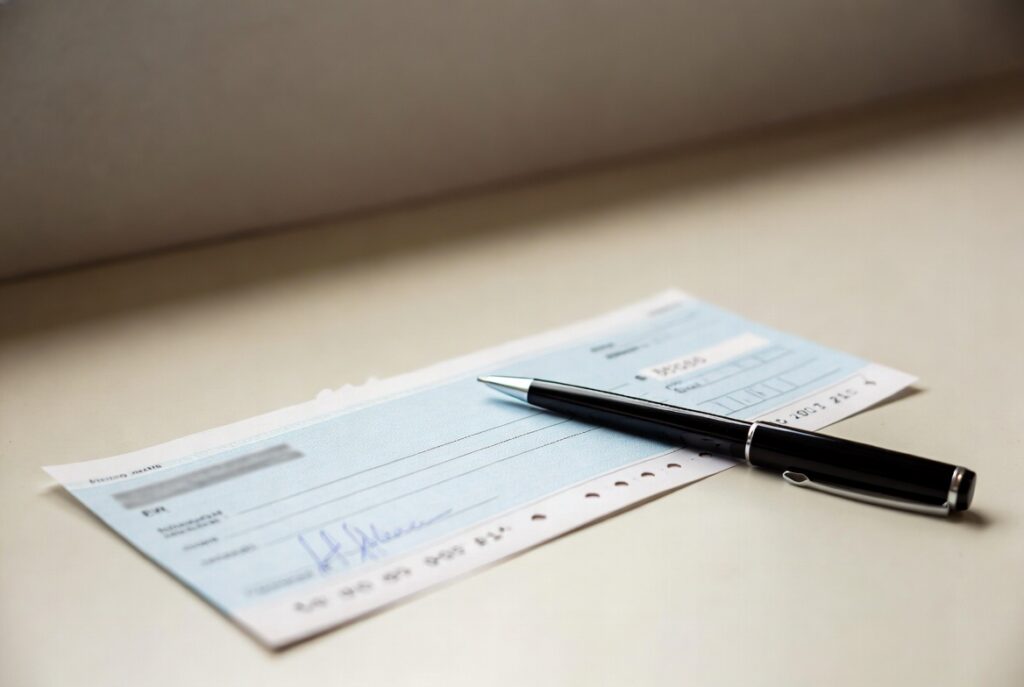
How to Write a Check for Different Scenarios
Understanding how to write a check also involves adapting it to various real-world situations.
How to Write a Check for Rent
When paying rent, ensure the landlord’s full legal name is used. Include the rental period in the memo line for clarity.
How to Write a Check to Yourself
Writing a check to yourself can be useful for transferring funds. Write your name as the payee and deposit or cash it as needed.
How to Write a Check for Cash
Writing “Cash” as the payee allows anyone to cash the check, which carries risk. Learning how to write a check safely means avoiding this unless absolutely necessary.
Common Mistakes to Avoid When Writing a Check
Even those familiar with how to write a check can make errors. Avoid these common mistakes:
- Leaving blank spaces that allow alterations
- Writing illegibly
- Using pencil instead of ink
- Forgetting to sign the check
- Writing inconsistent numeric and written amounts
Mastering how to write a check includes developing habits that prevent these costly errors.
Security Tips for Writing Checks Safely
Security is a crucial part of understanding how to write a check in today’s environment.
- Always use permanent ink
- Never sign a blank check
- Store checks securely
- Record each check in your register
- Monitor bank statements regularly
These precautions help protect your finances and reinforce responsible practices in how to write a check.
Legal and Financial Implications of Writing a Check
A check is a legal instrument. Learning how to write a check includes understanding its legal weight.
Writing a check without sufficient funds can result in penalties, fees, or legal consequences. Additionally, altering a written check after signing may invalidate it or be considered fraudulent.
Responsible use is an essential aspect of how to write a check professionally and ethically.
How to Void a Check Correctly
Voiding a check is part of practical knowledge about how to write a check.
Write the word “VOID” clearly across the front of the check and record it in your register. Never discard an unused check without voiding it first.
How to Record a Written Check
Keeping accurate records is a key habit when learning how to write a check effectively.
Record the following details:
- Check number
- Date
- Payee
- Amount
- Purpose
This practice ensures financial clarity and accountability.
Checks vs Digital Payments: A Practical Comparison
Understanding how to write a check does not mean ignoring modern payment methods. Instead, it adds flexibility.
Checks offer:
- Written authorization
- Traceable documentation
- Formal acceptance
Digital payments offer speed and convenience, but checks remain essential for structured financial transactions.
Why Mastering How to Write a Check Builds Financial Confidence
Knowing how to write a check demonstrates financial literacy and professionalism. It empowers individuals to handle payments independently, manage records responsibly, and interact confidently with institutions that still rely on traditional payment methods.
This skill reflects discipline, attention to detail, and an understanding of financial responsibility.
Deduction: Why Knowing How to Write a Check Is Still Essential
Despite technological advancements, the ability to understand how to write a check remains a timeless and valuable skill. It bridges traditional and modern finance, offering reliability, formality, and control.
By mastering how to write a check, you equip yourself with a practical tool that enhances financial independence, credibility, and preparedness in a wide range of real-world situations.
This knowledge is not just about writing on paper—it is about understanding money, responsibility, and trust.