The phrase nah id win has transcended its fictional roots to become one of the most recognizable expressions of ironic confidence in modern internet culture. Short, dismissive, and loaded with meaning, the line communicates far more than bravado. It represents certainty in the face of impossibility, self-belief bordering on arrogance, and—most importantly—the humor that emerges when confidence collides with reality.
What makes nah id win exceptional is not merely its popularity, but the layered way audiences interpret and reuse it. It exists simultaneously as a sincere declaration of strength, a parody of overconfidence, and a shorthand for inevitable failure delivered with style. This article explores the phrase in depth—its narrative birth, its transformation into a meme, its psychological resonance, and its lasting cultural relevance.
The Narrative Birth of Nah, I’d Win
The origin of nah id win is deeply rooted in Japanese manga storytelling. It first appeared in Jujutsu Kaisen, a series known for blending dark fantasy with philosophical undertones and subversive character arcs.
The line was spoken by Satoru Gojo, a character portrayed as the pinnacle of power within the story’s universe. When confronted with the question of whether he could defeat Ryomen Sukuna, Gojo’s response was casual, almost bored: nah id win.
Within the context of the story, the phrase was not comedic. It reflected absolute certainty. Gojo was established as nearly invincible, a character whose confidence had never been meaningfully challenged. Readers accepted the statement as fact, because the narrative itself supported it.
That initial sincerity is crucial. Without it, the later irony would not have landed with such force.
From Absolute Confidence to Ironic Legend
As the story progressed, expectations were deliberately dismantled. Events unfolded in a way that reframed the earlier declaration of nah id win, transforming it from a statement of dominance into a symbol of tragic overconfidence.
This reversal ignited a powerful reaction within the fan community. Readers revisited the original panel—not to celebrate strength, but to highlight the cruel humor of fate. What was once certainty became a lesson. What was once intimidating became unforgettable.
The phrase nah id win thus evolved from narrative dialogue into cultural artifact.
The Meme Explosion and Visual Identity
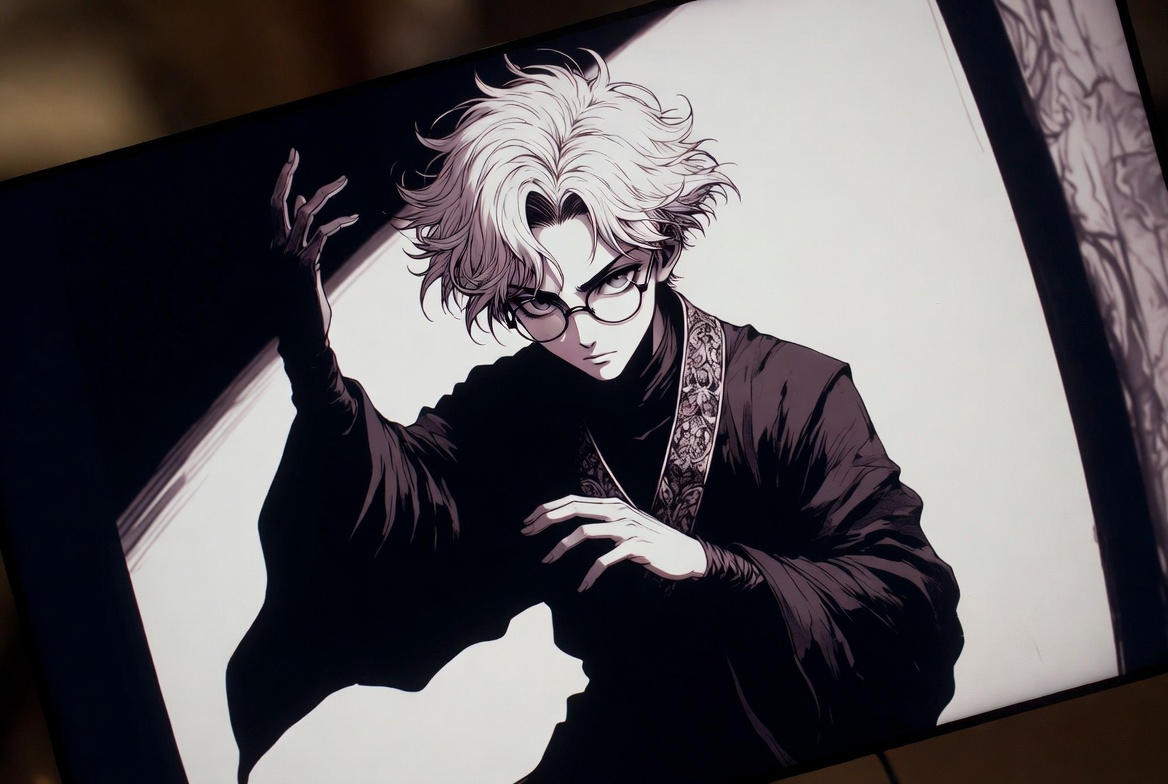
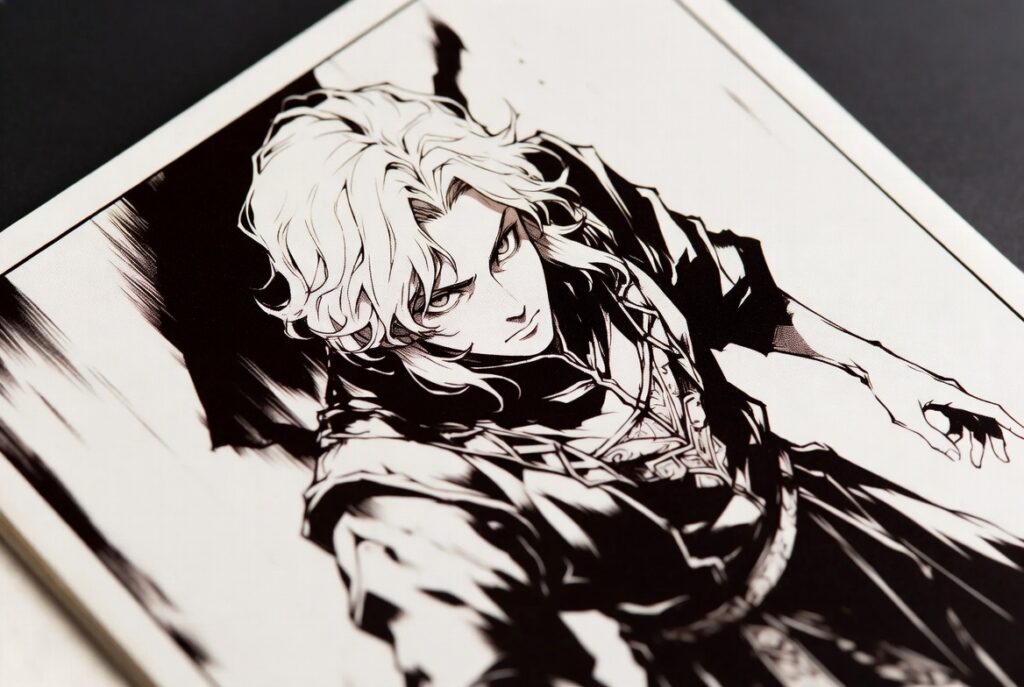
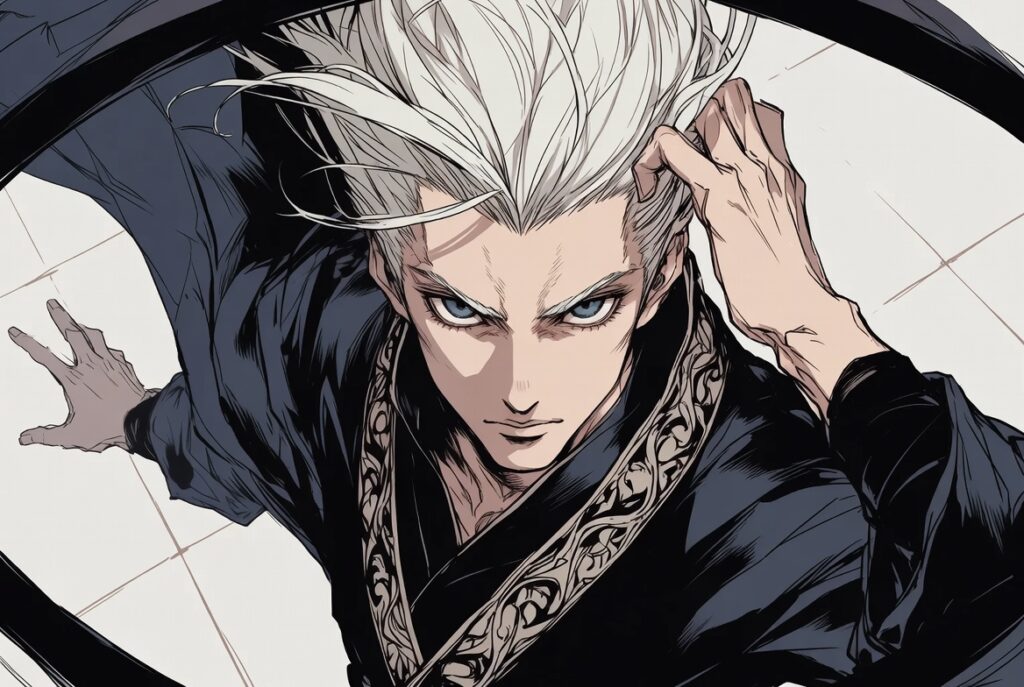
The viral spread of nah id win was inseparable from a specific visual panel. The manga illustration used an exaggerated fish-eye perspective that distorted Gojo’s face, intensifying his confidence to the point of absurdity.
This single image became the foundation of a global meme format.
Creators began inserting the same expression onto:
- Fictional characters facing impossible odds
- Real-world celebrities in hypothetical situations
- Animals, objects, and abstract concepts
- Situations where failure was guaranteed
In every case, nah id win served as the punchline. The humor was not in winning, but in pretending victory was inevitable.
What Nah, I’d Win Really Means
On the surface, nah id win appears to be a simple statement of self-assurance. In practice, it communicates multiple layers at once:
- Defiance against logic
- Confidence without evidence
- Acceptance of risk
- Awareness of likely failure
- Humor rooted in denial
This complexity is why the phrase resonates so strongly. It mirrors real human behavior. People often face challenges they know they cannot overcome, yet move forward anyway. nah id win captures that emotional contradiction perfectly.
Psychological Appeal of Nah, I’d Win
The popularity of nah id win is deeply psychological. It reflects how individuals cope with pressure, uncertainty, and expectation.
When people use nah id win, they are often expressing:
- Emotional resilience
- Irony as a defense mechanism
- Rebellion against fear
- Satirical self-awareness
Rather than admitting defeat, the phrase allows people to laugh at it before it happens. This makes nah id win both empowering and self-deprecating—a rare combination.
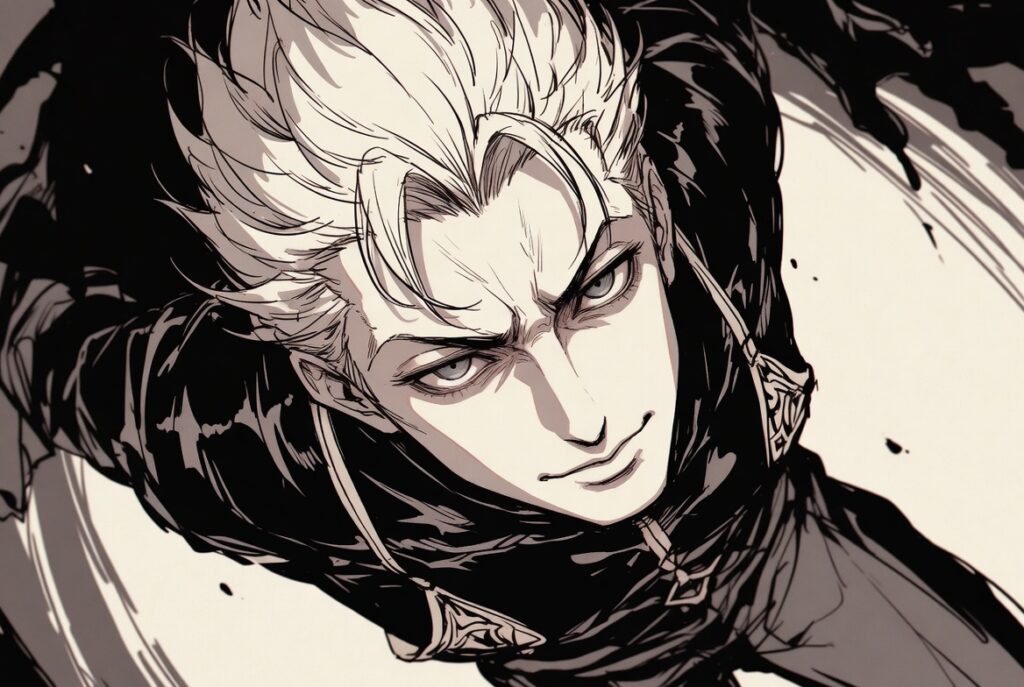
Biography Table: Satoru Gojo (Source of Nah, I’d Win)
| Attribute | Details |
|---|---|
| Full Name | Satoru Gojo |
| First Appearance | Jujutsu Kaisen manga |
| Role | Sorcerer, mentor, strongest combatant |
| Personality Traits | Confident, charismatic, sarcastic |
| Signature Trait | Absolute belief in his own victory |
| Famous Quote | nah id win |
| Cultural Impact | Became the face of ironic confidence memes |
| Legacy | Symbol of overconfidence and tragic irony |
This biography highlights why nah id win could only originate from a character like Gojo. The phrase required someone whose confidence felt earned—until it wasn’t.
Internet Language and the Power of Simplicity
One reason nah id win spread so rapidly is its linguistic efficiency. It is informal, lowercase, and dismissive. There is no explanation, no justification, and no emotion beyond certainty.
This aligns perfectly with modern digital communication, where:
- Brevity equals impact
- Tone is implied, not stated
- Irony is assumed
The phrase fits seamlessly into captions, comments, and reactions, making nah id win endlessly reusable.
Nah, I’d Win as a Cultural Archetype
Beyond memes, nah id win represents an archetype that has existed throughout storytelling history: the confident figure who believes too much in their own invincibility.
What makes this iteration unique is audience participation. Readers and viewers are no longer passive. By repeating nah id win, they actively reinterpret the story, reshaping its meaning through humor.
This participatory culture ensures the phrase remains alive long after the original scene.
Why Nah, I’d Win Endures
Trends fade quickly online, yet nah id win persists. Its endurance can be attributed to several factors:
- Emotional relatability
- Visual memorability
- Narrative irony
- Adaptability across contexts
As long as people face impossible challenges—and pretend otherwise—the phrase will remain relevant.
Conclusion: The Legacy of Nah, I’d Win
nah id win is more than a meme. It is a modern expression of confidence, denial, humor, and humanity. Born from a moment of narrative certainty, reshaped by irony, and immortalized by internet culture, it stands as a testament to how stories evolve once they leave the page.
Its brilliance lies in its honesty. Everyone knows the speaker probably will not win. And yet, they say it anyway.