Introduction
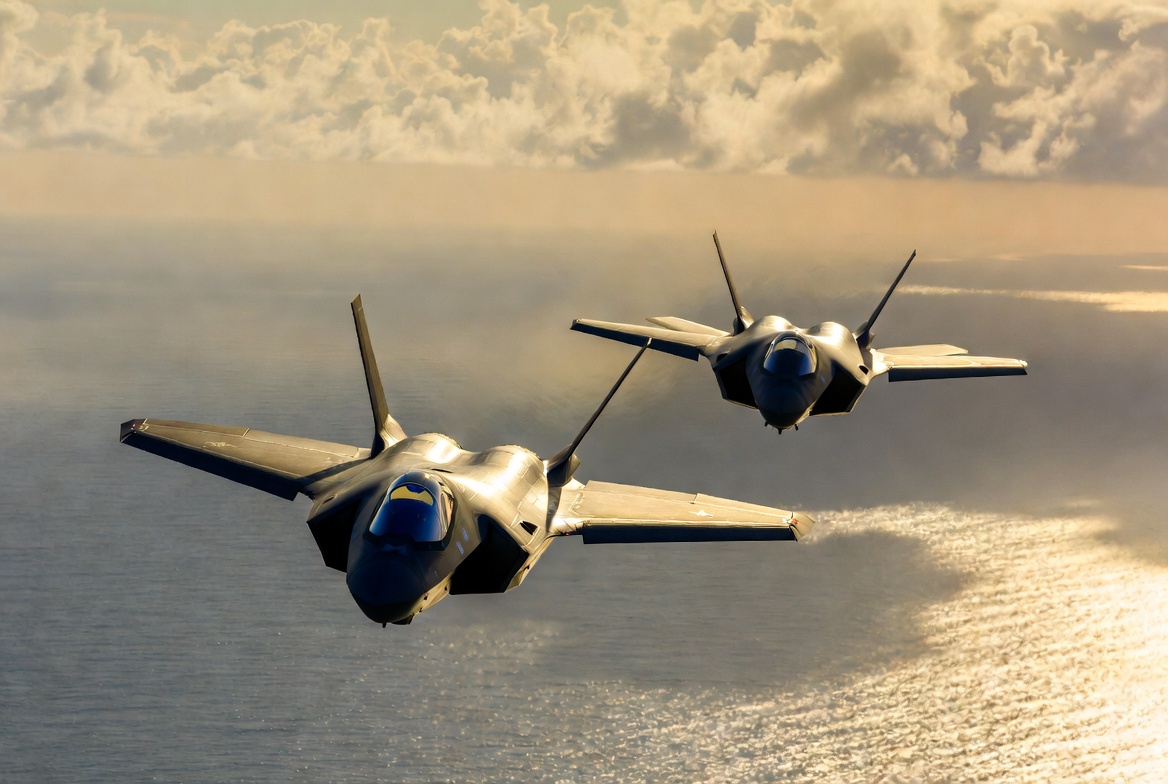
The china us fighter jet encounter has emerged as one of the most closely watched military interactions of the modern era. Occurring in contested airspace and sensitive maritime regions, these encounters symbolize far more than momentary aerial maneuvers. They represent the evolving balance of power, shifting strategic doctrines, and the fragile mechanisms that prevent rivalry from turning into open conflict.
In recent years, interactions between fighter aircraft from China and the United States have intensified in frequency, complexity, and global significance. Each China us fighter jet encounter is scrutinized by defense analysts, diplomats, and policymakers because even a minor miscalculation could have consequences extending far beyond the cockpit.
This article provides a comprehensive, deeply researched examination of the China us fighter jet Encounter, explaining its origins, operational realities, historical context, strategic implications, and future trajectory. Written in a refined, authoritative tone, it aims to inform readers while delivering lasting analytical value.
Understanding the Meaning of a china us fighter jet encounter
A china us fighter jet encounter refers to a close-range interaction between military aircraft operated by China and the United States, typically during patrols, interceptions, or freedom-of-navigation missions. These encounters usually occur in international airspace near strategically sensitive regions.
Such interactions can include:
- Visual identification of opposing aircraft
- Aerial shadowing and escort maneuvers
- Close passes intended to signal presence or deterrence
- Radio communications or warning signals
While most china us fighter jet encounter events end without incident, their strategic meaning lies not in what happens, but in what could happen if norms break down.
Historical Evolution of the china us fighter jet encounter
Early Aerial Interactions
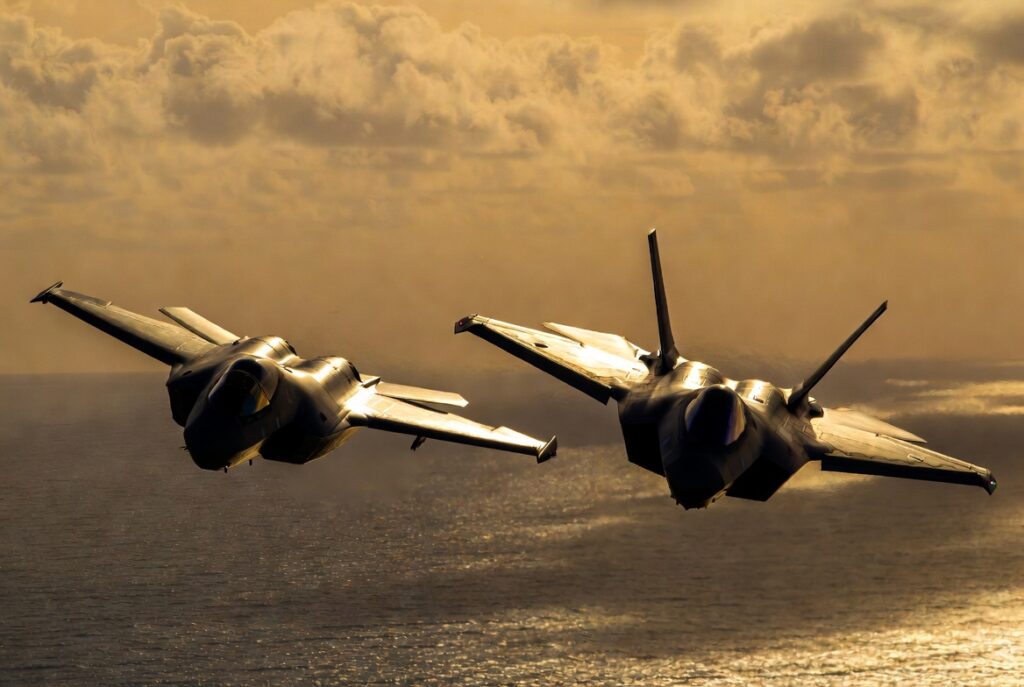
The roots of the china us fighter jet encounter can be traced back to the Cold War era, when military reconnaissance flights became a standard feature of global intelligence gathering. During this period, both nations operated under rigid doctrines aimed at avoiding escalation, even while asserting influence.
Early encounters were relatively rare and heavily managed through diplomatic channels. Communication protocols, though limited, were respected to minimize misunderstandings.
Post-Cold War Developments
As global power structures shifted, the China us fighter jet encounter gained new importance. China’s rapid military modernization and expanded operational reach placed its aircraft in closer proximity to American forces operating in the Asia-Pacific region.
These changes transformed the china us fighter jet encounter from an occasional anomaly into a recurring feature of regional security dynamics.
Strategic Regions Where china us fighter jet encounter Occur
Western Pacific Airspace
The Western Pacific remains the most frequent theater for a china us fighter jet encounter. The area’s dense air traffic, overlapping military exercises, and strategic waterways increase the likelihood of close-range interactions.
Maritime Surveillance Zones
Surveillance flights over international waters often result in china us fighter jet encounter scenarios, particularly when reconnaissance aircraft are intercepted by fighter escorts.
Joint Military Exercise Corridors
Large-scale drills conducted by either nation can inadvertently produce a china us fighter jet encounter, especially when flight paths converge near contested zones.
Aircraft Capabilities and Tactical Behavior
The nature of a china us fighter jet encounter is heavily influenced by the aircraft involved. Differences in speed, maneuverability, avionics, and engagement doctrine shape how pilots respond in real time.
Key tactical considerations include:
- Radar lock-on protocols
- Safe separation distances
- Visual signaling through wing movement
- Fuel endurance during extended shadowing
Each china us fighter jet encounter becomes a live test of training, discipline, and decision-making under pressure.
Pilot Decision-Making During a china us fighter jet encounter
At the heart of every china us fighter jet encounter is the pilot. Operating at high speeds, often within seconds of reaction time, pilots must balance assertiveness with restraint.
Critical decisions include:
- Whether to close distance or maintain separation
- When to disengage
- How to interpret opposing maneuvers
- When to escalate concerns through command channels
A single misjudgment during a china us fighter jet encounter could lead to collision, misfire, or diplomatic crisis.
Rules of Engagement and Safety Protocols
Despite geopolitical rivalry, both nations maintain formal and informal rules governing a china us fighter jet encounter. These guidelines are designed to prevent accidents and ensure predictability.
Standard Safety Measures
- Maintaining minimum separation distances
- Avoiding aggressive aerobatics
- Limiting radar illumination duration
- Using standardized radio phrases
The effectiveness of these measures directly influences whether a china us fighter jet encounter remains routine or becomes destabilizing.
Diplomatic Implications of the china us fighter jet encounter
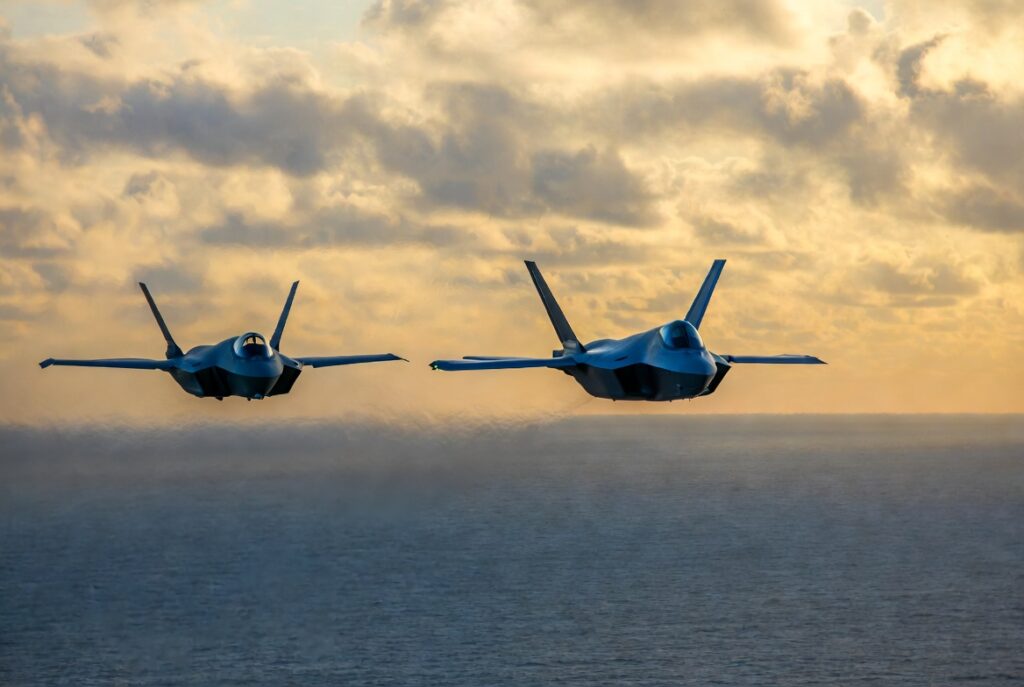
Each china us fighter jet encounter carries diplomatic weight. Governments often issue official statements framing the event as either routine, unsafe, or provocative.
Diplomatic consequences may include:
- Formal protests or demarches
- Defense ministry briefings
- Calls for renewed military dialogue
- Public messaging aimed at domestic audiences
In this way, a single china us fighter jet encounter can ripple through international relations.
Media Coverage and Public Perception
Public understanding of the china us fighter jet encounter is shaped largely by media narratives. Language choices such as “intercept,” “near miss,” or “unsafe maneuver” influence how audiences interpret risk.
Balanced reporting is critical, as sensationalism can:
- Inflate perceived threat levels
- Pressure governments into rigid positions
- Reduce space for diplomatic compromise
Responsible analysis helps contextualize each china us fighter jet encounter without exaggeration.
Risk of Escalation in a china us fighter jet encounter
While most encounters end peacefully, escalation risks remain ever-present. Potential escalation pathways include:
- Physical collision
- Weapons system misinterpretation
- Breakdown of communication channels
- Political exploitation of the incident
Preventing escalation requires professionalism at every level of a china us fighter jet encounter, from cockpit conduct to diplomatic response.
International Law and Airspace Norms
International aviation law plays a crucial role in defining the legality of a china us fighter jet encounter. International airspace is legally open, yet proximity operations remain controversial.
Key principles include:
- Freedom of navigation
- Right to self-defense
- Obligation to avoid unsafe conduct
Disputes often arise not from law itself, but from differing interpretations during a china us fighter jet encounter.
Military Communication Channels
Hotlines and defense dialogues exist to manage incidents resulting from a china us fighter jet encounter. These mechanisms allow rapid clarification and reduce misinterpretation.
When communication channels function effectively, they transform potentially dangerous encounters into manageable diplomatic exchanges.
Technological Advancements and Future Encounters
Emerging technologies will reshape the china us fighter jet encounter in coming years. Artificial intelligence-assisted flight systems, advanced sensors, and unmanned aircraft will introduce new complexities.
Future encounters may involve:
- Human-machine teaming
- Drone escort formations
- Expanded electronic warfare elements
These changes will require updated norms to keep the china us fighter jet encounter stable.
Strategic Signaling Through the china us fighter jet encounter
Beyond immediate tactics, each china us fighter jet encounter serves as a form of strategic communication. Maneuvers signal resolve, capability, and willingness to defend interests.
Such signaling is subtle, calculated, and aimed at multiple audiences simultaneously.
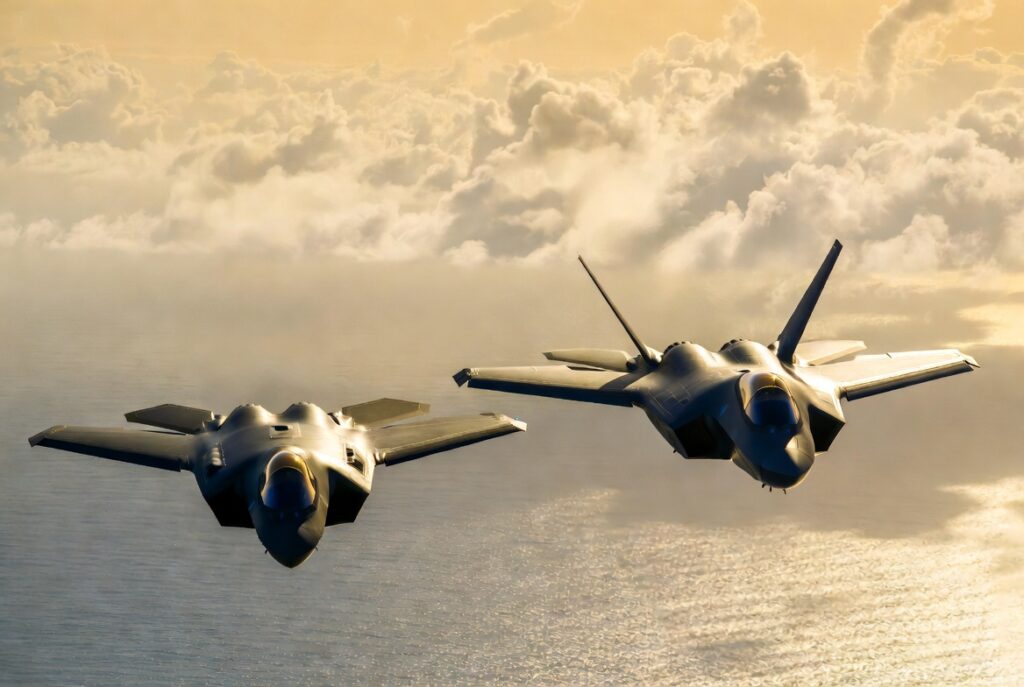
Why the china us fighter jet encounter Matters Globally
The global community watches each china us fighter jet encounter because it reflects broader trends in international security. Stability between major powers underpins global trade, diplomacy, and peace.
A stable pattern of encounters reassures allies and markets alike, while instability raises global concern.
Deduction
The china us fighter jet encounter is far more than a fleeting aerial interaction. It is a dynamic expression of military professionalism, strategic competition, and diplomatic restraint. Each encounter tests the systems designed to prevent rivalry from becoming conflict.
As technology advances and geopolitical tensions evolve, the china us fighter jet encounter will remain a defining feature of international security discourse. Understanding its mechanics, risks, and implications is essential for anyone seeking insight into modern global power relations.
By examining these encounters with clarity and depth, readers gain not only knowledge, but perspective—an understanding that helps navigate an increasingly complex world.