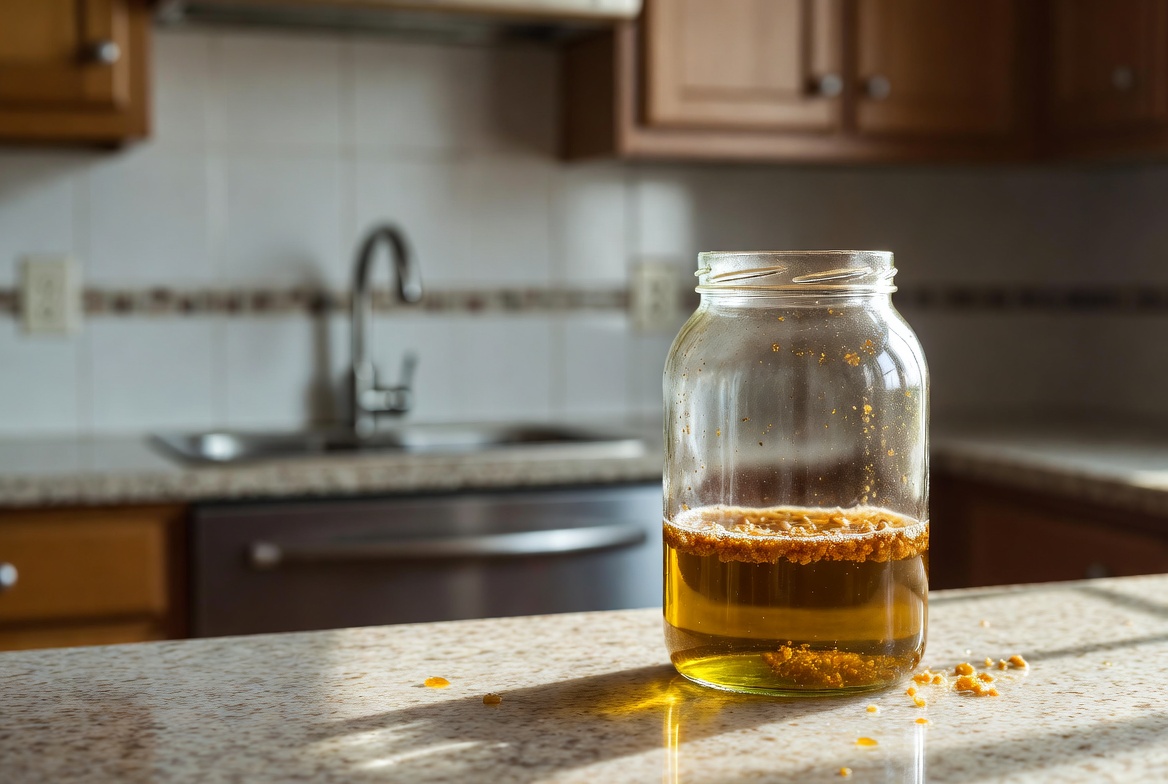
Understanding how to dispose of cooking oil is not merely a household concern—it is an environmental, infrastructural, and public health responsibility. Cooking oil, whether used once or repeatedly, becomes waste that must be handled carefully. Improper disposal clogs drainage systems, contaminates water sources, damages soil, and increases municipal maintenance costs worldwide.
Despite being a common kitchen byproduct, cooking oil waste is one of the most misunderstood substances when it comes to disposal. Many households unknowingly pour oil down sinks or toilets, assuming hot water or detergent will carry it away. In reality, oil cools, solidifies, and binds with other debris, creating long-lasting blockages.
This in-depth guide on how to dispose of cooking oil explores safe household practices, environmentally responsible options, regional considerations, and long-term sustainability strategies. It is designed to be authoritative yet accessible, helping readers develop habits that protect both their homes and the planet.
Why Proper Cooking Oil Disposal Truly Matters
Learning how to dispose of cooking oil correctly begins with understanding why careless disposal causes serious harm.
When cooking oil enters drainage systems, it does not dissolve. Instead, it coats pipe interiors and traps food particles, eventually forming hardened masses. These accumulations restrict water flow and lead to backups that can damage private plumbing and public sewer infrastructure.
Beyond plumbing, oil poured outdoors or into soil disrupts natural ecosystems. It prevents oxygen absorption, harms microorganisms, and can poison groundwater. In water bodies, oil forms surface films that reduce oxygen exchange, threatening aquatic life.
Proper disposal protects:
- Household plumbing systems
- Municipal wastewater infrastructure
- Natural soil fertility
- Rivers, lakes, and marine ecosystems
Understanding how to dispose of cooking oil is therefore a practical step toward environmental stewardship.
Types of Cooking Oil and Why Disposal Methods Differ
Before determining how to dispose of cooking oil, it is important to identify the type of oil involved. Different oils behave differently once used.
Fresh vegetable oil, reused frying oil, animal fat, and industrial cooking grease each have unique chemical properties. Oils high in saturated fats, such as lard or palm oil, solidify quickly at room temperature. Unsaturated oils, like sunflower or canola oil, remain liquid longer but still pose disposal risks.
Used oil also differs from unused oil. Heating changes oil composition, introducing food particles, carbon residue, and degradation compounds. These changes influence recycling potential and safe disposal options.
Recognizing oil type ensures that how to dispose of cooking oil is approached correctly rather than generically.
Safe Household Methods for Small Quantities
For everyday home cooking, most people deal with small volumes of oil. Knowing how to dispose of cooking oil safely at home prevents unnecessary damage and inconvenience.
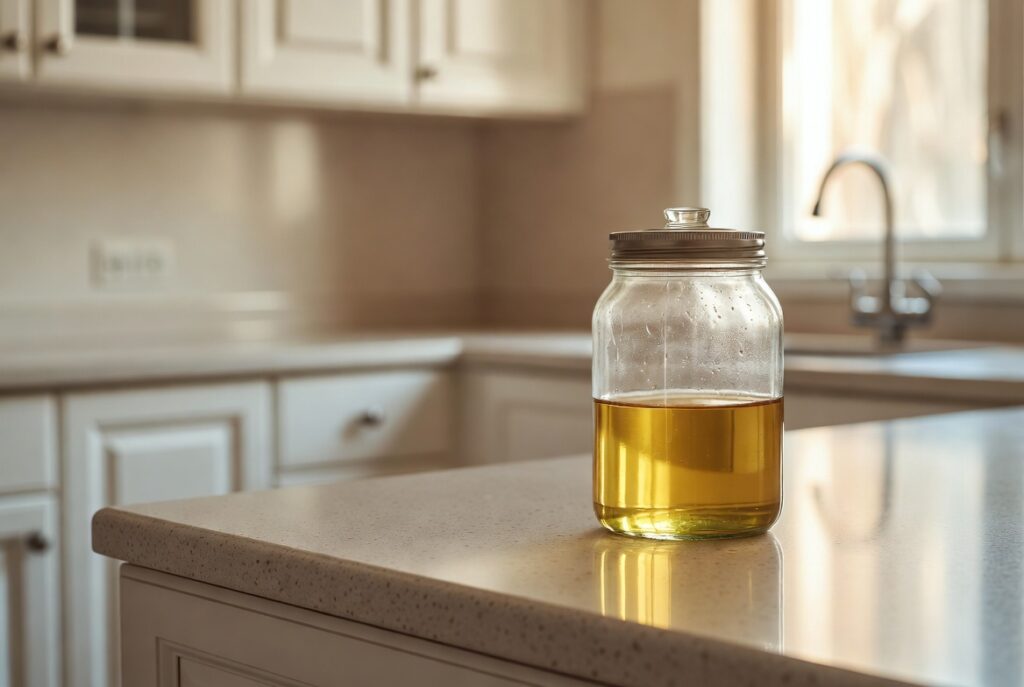
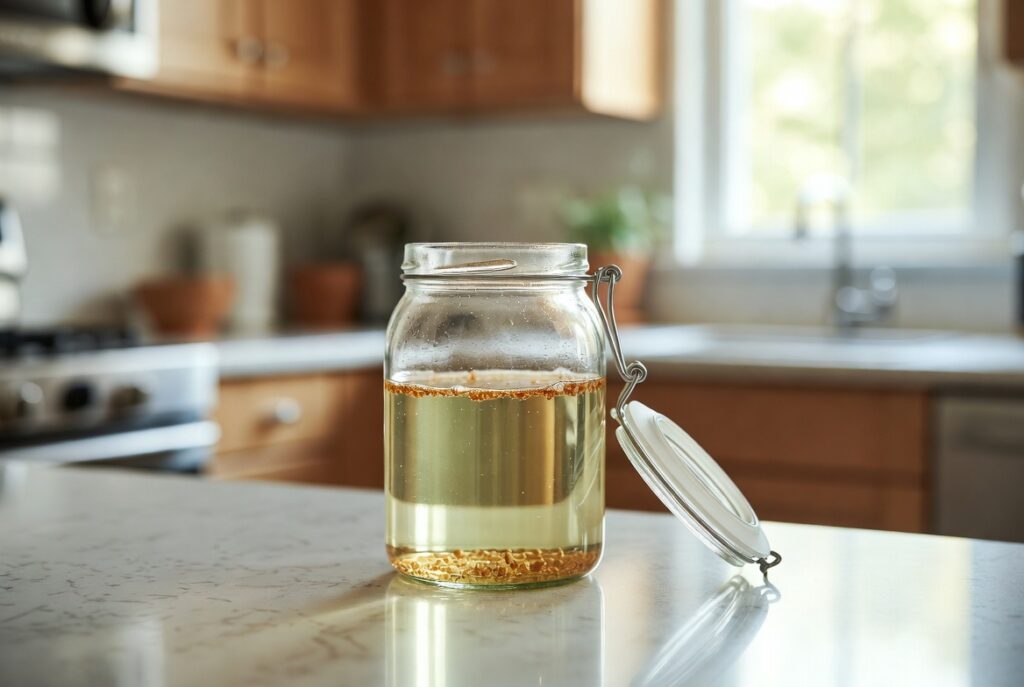
The most practical approach is allowing oil to cool completely after use. Once cooled, it should be transferred into a sealed, non-breakable container such as a used bottle, jar, or food-safe plastic container. This container can then be placed in household waste according to local guidelines.
Another effective method involves absorbing oil using materials such as paper towels, cardboard, or absorbent pads. Once absorbed, these materials can be disposed of with general waste. This technique is particularly suitable for pan residue and minimal oil amounts.
Never attempt to rinse oil down the sink, even with hot water. Understanding how to dispose of cooking oil responsibly starts with eliminating this habit entirely.
Environmentally Responsible Disposal Options
For larger quantities, sustainable practices become essential. Environmentally focused methods of how to dispose of cooking oil aim to minimize waste and maximize reuse.
Many communities offer oil recycling programs where used cooking oil is collected and processed into biofuel, soap, or industrial lubricants. Even small household contributions can collectively reduce fossil fuel dependency and waste accumulation.
In some regions, cooking oil can be repurposed domestically for non-food uses, such as lubrication for tools or homemade cleaning solutions. However, reuse must always be safe, appropriate, and hygienic.
Responsible disposal reflects an understanding that how to dispose of cooking oil is not just about getting rid of waste but about transforming it into value.
Commercial Kitchens and Large-Scale Oil Disposal
Restaurants and food businesses generate significant amounts of waste oil. Their approach to how to dispose of cooking oil must follow stricter standards.
Commercial establishments typically use grease traps and contract licensed waste oil collectors. These systems prevent oil from entering sewage lines and ensure it is recycled properly. Failure to comply often results in fines, operational shutdowns, or environmental penalties.
Even small food vendors benefit from structured oil disposal systems. Proper storage, regular collection schedules, and staff training all contribute to compliance and sustainability.
Professional settings demonstrate that how to dispose of cooking oil is a structured process, not an afterthought.
Common Disposal Mistakes and Their Long-Term Impact
Despite growing awareness, mistakes persist. The most damaging errors in how to dispose of cooking oil include pouring oil into sinks, toilets, storm drains, or onto soil.
Another mistake involves mixing oil with food waste intended for composting. Cooking oil disrupts compost balance and slows decomposition, reducing compost quality.
Freezing oil without proper containment also leads to leaks and contamination. Each shortcut compounds environmental damage and infrastructure strain.
Avoiding these mistakes requires discipline and education, reinforcing why learning how to dispose of cooking oil correctly matters.
Cultural and Regional Considerations in Oil Disposal
Practices around how to dispose of cooking oil vary globally. Some cultures traditionally reuse oil multiple times, while others emphasize immediate disposal.
Urban areas often provide structured waste management systems, whereas rural regions rely more on household-level solutions. Climate also plays a role—oil solidifies faster in cold regions, altering storage and disposal approaches.
Understanding local waste policies and environmental conditions ensures that how to dispose of cooking oil aligns with regional best practices rather than assumptions.
Biography Table: Lifecycle of Cooking Oil Waste
The following biography table presents a structured overview of cooking oil from creation to disposal, highlighting key stages and responsibilities.
| Stage | Description | Human Responsibility |
|---|---|---|
| Production | Oil extracted from plants or animals | Sustainable sourcing awareness |
| Culinary Use | Oil heated and used for cooking | Avoid overheating and reuse safely |
| Post-Use State | Oil contains food particles and residues | Cooling and filtering |
| Storage Phase | Oil collected in sealed containers | Prevent spills and contamination |
| Disposal Decision | Selection of disposal or recycling method | Apply correct how to dispose of cooking oil practice |
| Environmental Outcome | Oil recycled or safely discarded | Reduced pollution and system damage |
This biography-style lifecycle emphasizes that how to dispose of cooking oil is part of a broader environmental journey.
Long-Term Benefits of Responsible Oil Disposal
Practicing correct methods of how to dispose of cooking oil yields long-term benefits beyond immediate convenience.
Households experience fewer plumbing issues and reduced maintenance costs. Communities benefit from lower sewage system strain and cleaner public spaces. The environment gains from reduced water pollution and increased recycling efficiency.
Over time, responsible disposal habits contribute to a circular economy where waste becomes a resource rather than a burden.
Developing Sustainable Kitchen Habits
Sustainability begins with routine. Integrating how to dispose of cooking oil into daily kitchen habits ensures consistency.
Designating a specific container for used oil, educating household members, and reviewing local disposal guidelines all contribute to responsible behavior. These small steps prevent accidental misuse and reinforce environmental awareness.
When sustainability becomes habitual, how to dispose of cooking oil transforms from a question into a practiced standard.
Responsible Choices Start at Home
Mastering how to dispose of cooking oil is an essential life skill in modern living. It protects plumbing, preserves ecosystems, and supports sustainable waste management systems.
Every household decision matters. Whether through careful storage, absorption, recycling, or proper disposal, responsible oil management reflects respect for shared infrastructure and natural resources.
By applying the principles outlined in this guide, readers not only solve a practical problem but also contribute to a cleaner, more resilient future—one thoughtful action at a time.