The alaska interior snow warning represents more than a routine winter advisory. It reflects a complex and persistent weather pattern that continues to shape daily life, transportation safety, infrastructure stability, and long-term planning across one of North America’s most climatically extreme regions. As early March 2026 unfolds, the Interior of Alaska remains locked in a severe cold regime, marked by hazardous snow conditions, dangerous wind events, and sharply reduced visibility.
This article provides an in-depth, authoritative examination of the alaska interior snow warning, explaining its meteorological foundations, current conditions, historical context, societal implications, and safety considerations. Written in a refined editorial style, it aims to inform, clarify, and equip readers with a complete understanding of why this warning matters—and why vigilance remains essential.
Understanding the Alaska Interior Climate
The Interior of Alaska occupies a unique climatic position, geographically sheltered from direct maritime influence yet deeply exposed to Arctic air intrusions. Winters here are defined not only by snowfall but by sustained cold cycles that can endure for weeks or even months.
Unlike coastal regions where snow events often coincide with milder temperatures, Interior Alaska experiences snow accumulation in an environment where subzero temperatures preserve snowpack integrity and amplify wind-driven hazards. The alaska interior snow warning emerges within this context, where even modest snowfall can become life-threatening when combined with wind, darkness, and extreme cold.
Current Conditions Behind the Alaska Interior Snow Warning
As of early March 2026, meteorologists report a deeply entrenched cold pattern dominating the region. Overnight temperatures remain dramatically below seasonal norms, frequently plunging 30 to 40 degrees Fahrenheit beneath historical averages. This thermal anomaly intensifies the risks associated with snowfall and blowing snow, prolonging hazardous conditions long after active precipitation ends.
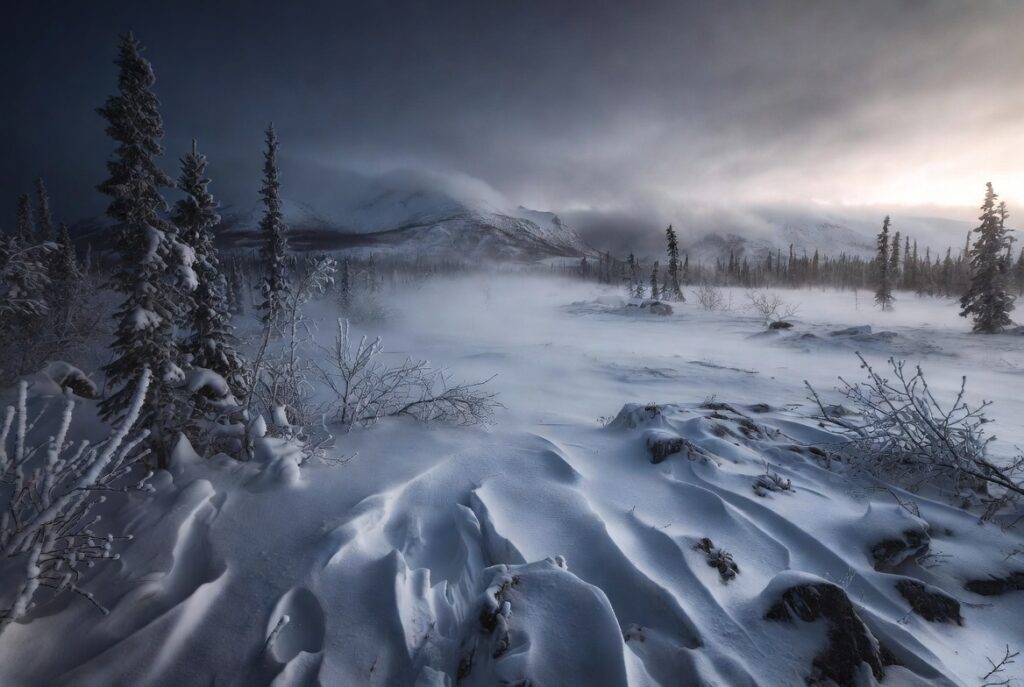
The alaska interior snow warning is being monitored closely by the National Weather Service, which has emphasized that while earlier heavy snowfall events have subsided, the residual dangers persist. Hardened snow surfaces, drifting, and ice fog continue to threaten visibility and safe travel.
Recent Snowfall Events and Their Aftermath
Earlier in February, substantial winter storms deposited between 12 and 18 inches of snow across central sections of the Interior, including the Fairbanks North Star Borough. While official winter storm warnings have expired, the lingering effects of those systems remain highly relevant.
Compacted snow layers have reduced traction on highways and secondary roads. Wind redistribution has created uneven drifts, particularly in exposed corridors. These conditions form the operational backdrop for the ongoing alaska interior snow warning, which now emphasizes secondary hazards rather than fresh accumulation alone.
Blizzard Conditions Beyond the Interior Core
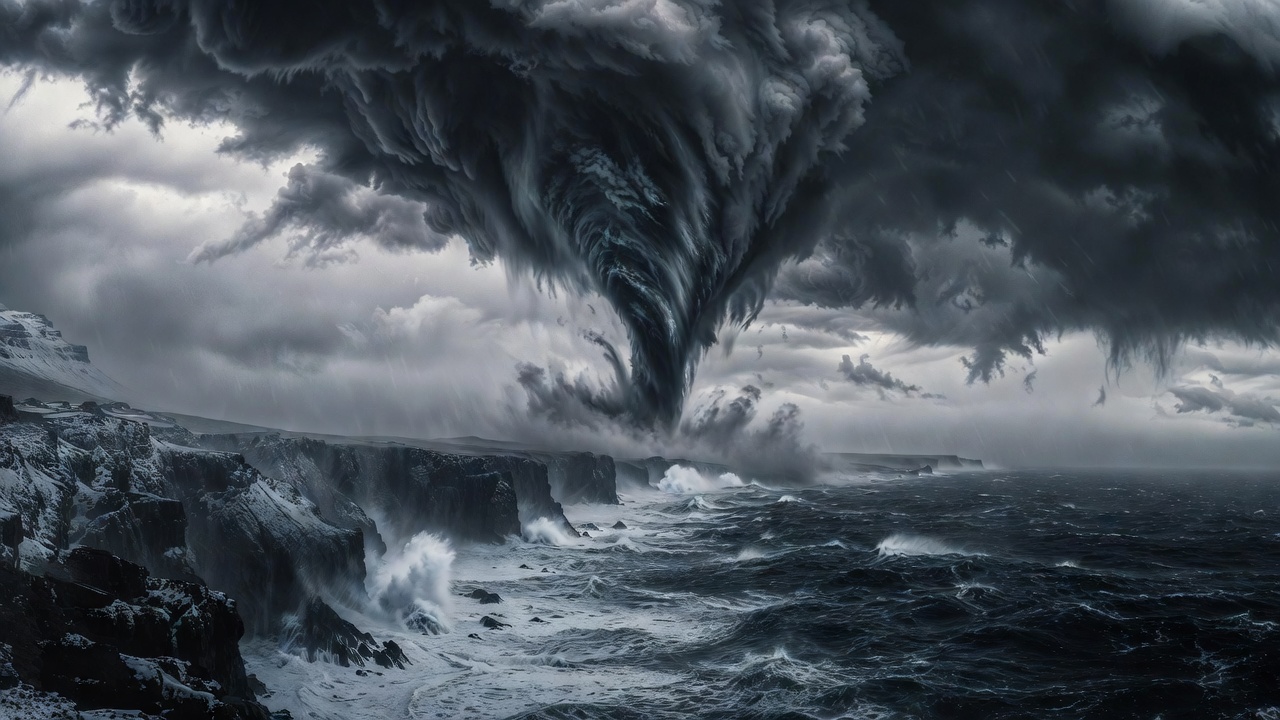
While Interior communities face cold and intermittent snow, more extreme conditions dominate Alaska’s northern regions. Blizzard warnings remain active along the Arctic Coast and North Slope, affecting areas such as Deadhorse and Utqiagvik.
In these locations, wind gusts approaching 75 miles per hour combine with new snowfall to produce whiteout conditions. Though geographically distinct, these Arctic systems influence atmospheric circulation patterns that reinforce cold air entrenchment farther south—indirectly sustaining the alaska interior snow warning.
Wrap-Around Moisture and Ongoing Snow Threats
Another complicating factor is the presence of wrap-around moisture originating from the Gulf of Alaska. This phenomenon allows residual moisture to spiral inland behind departing storm systems, triggering localized snow showers and occasional freezing rain.
Though typically light, such events pose outsized risks in the Interior’s ultra-cold environment. Even thin layers of ice can drastically reduce road safety. For this reason, meteorologists caution that the alaska interior snow warning remains justified despite the absence of headline-level storms.
Visibility Hazards and Blowing Snow Dynamics
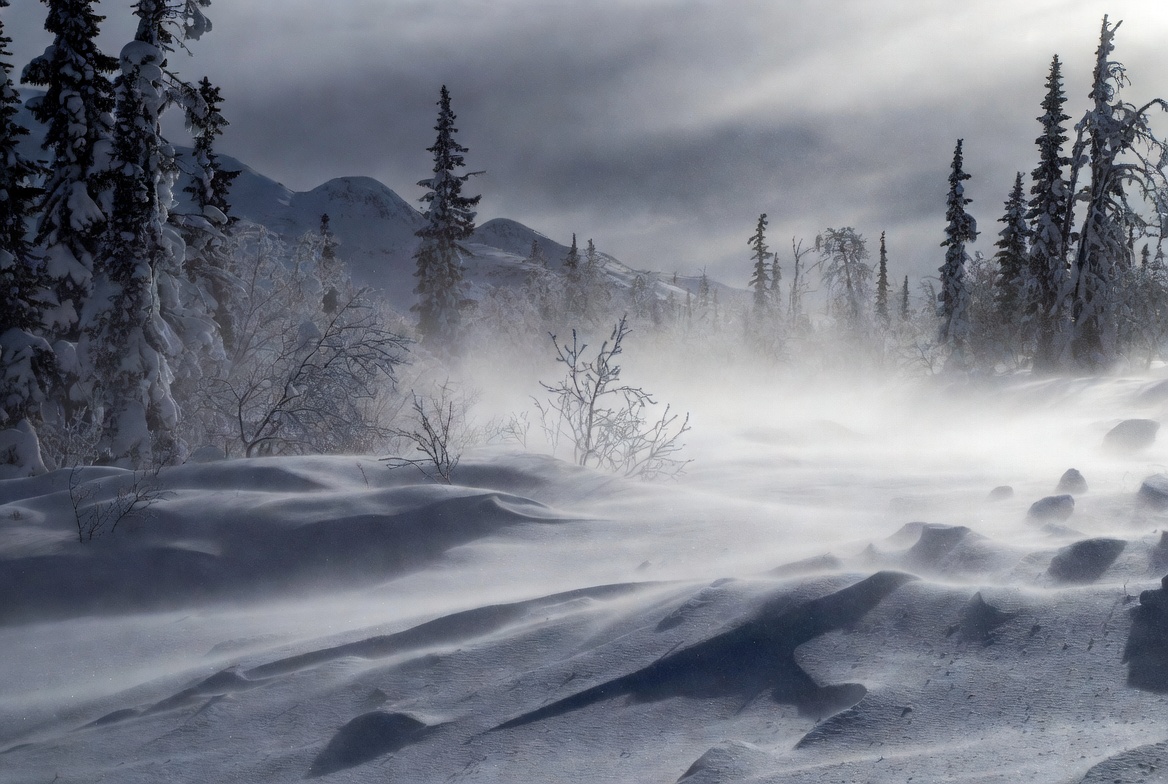
Blowing snow represents one of the most underestimated dangers associated with the alaska interior snow warning. Strong surface winds can lift previously fallen snow into the air, reducing visibility to near zero without additional precipitation.
These sudden whiteout conditions frequently occur along highways, rural roads, and open terrain. Drivers may encounter clear skies one moment and complete visual obstruction the next, underscoring why travel advisories remain in effect even during calm weather periods.
Impact on Transportation and Infrastructure
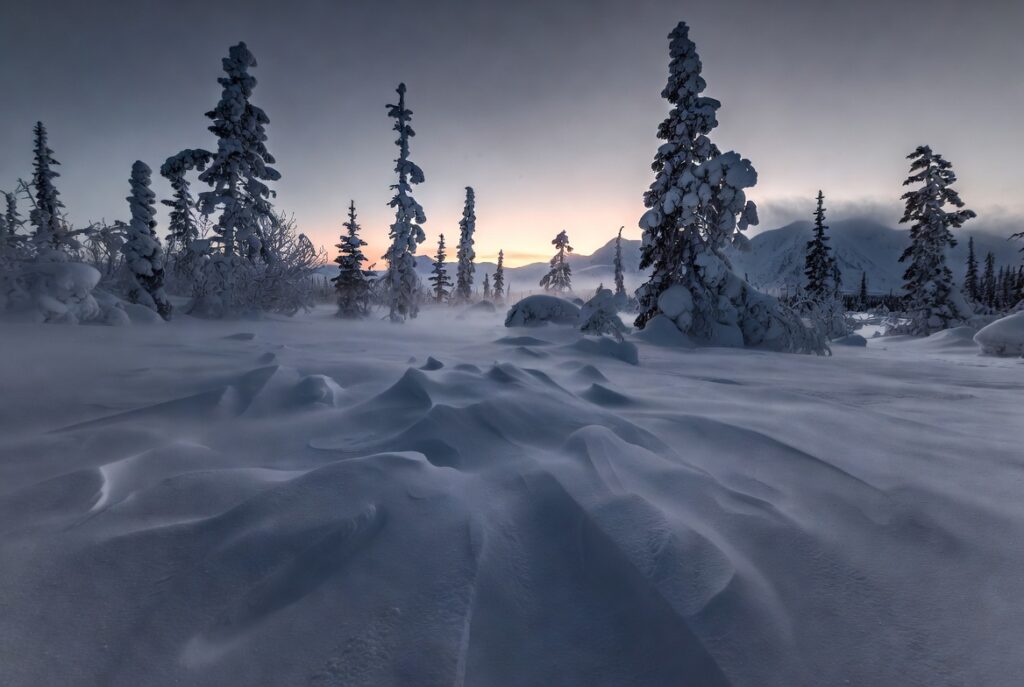
The Interior’s transportation network is particularly vulnerable during prolonged cold spells. Extreme temperatures affect engine performance, fuel systems, rail switches, and aviation operations. Snow-choked runways and drifting across access roads complicate supply chains and emergency response capabilities.
The alaska interior snow warning serves as a critical planning tool for municipalities, freight operators, and aviation authorities, signaling when elevated readiness levels are necessary to prevent disruptions or accidents.
Public Safety and Health Considerations
Extended exposure to Interior winter conditions presents serious health risks. Frostbite can occur within minutes at temperatures commonly observed during the current cold cycle. Hypothermia remains a constant threat, particularly during vehicle breakdowns or outdoor work.
The alaska interior snow warning is therefore not merely meteorological in nature; it functions as a public safety alert, reminding residents and travelers alike to prepare emergency kits, limit unnecessary travel, and remain attentive to weather updates.
Historical Context of Interior Snow Warnings
Interior Alaska has a long history of severe winter episodes, many of which have shaped regional policy and infrastructure standards. Past cold outbreaks have disrupted fuel deliveries, closed schools for extended periods, and tested emergency services.
What distinguishes the current alaska interior snow warning is the persistence of the cold anomaly rather than record-breaking snowfall totals. This prolonged stress on systems and populations increases cumulative risk, even in the absence of headline storms.
Biography Table: Alaska Interior Snow Warning
| Attribute | Details |
|---|---|
| Phenomenon Name | alaska interior snow warning |
| Primary Region Affected | Interior Alaska |
| Peak Season | Late winter to early spring |
| Key Hazards | Blowing snow, extreme cold, low visibility |
| Temperature Anomalies | 30–40°F below normal |
| Monitoring Authority | National weather agencies |
| Travel Impact | High risk during wind events |
| Duration | Often multi-week |
| Historical Significance | Recurrent feature of Interior climate |
| Public Safety Role | Alerts for preparedness and caution |
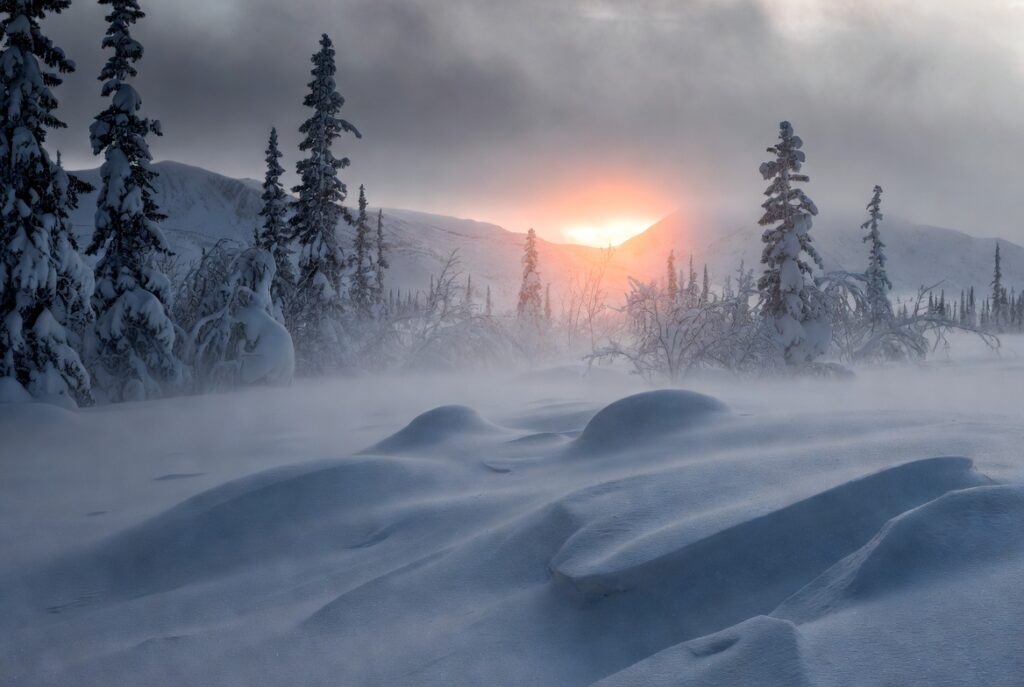
Why the Warning Remains Relevant
Some may question why a snow warning persists after major storms have passed. The answer lies in cumulative risk. Snowpack stability, wind patterns, and temperature extremes combine to create ongoing hazards long after snowfall ends.
The alaska interior snow warning reflects this reality, emphasizing that winter danger in Alaska is not event-based but condition-based. Awareness, not complacency, remains the most effective defense.
Looking Ahead: Weather Outlook for the Interior
Forecast models suggest that the entrenched cold pattern may gradually moderate later in March. However, until a sustained shift in atmospheric circulation occurs, snow-related hazards will continue to surface intermittently.
Residents should expect periods of calm punctuated by sudden visibility reductions and localized snow events. The alaska interior snow warning remains a relevant and necessary advisory throughout this transitional phase.
Deduction: Respecting Alaska’s Winter Authority
The alaska interior snow warning stands as a reminder of Alaska’s uncompromising winter environment. It reflects a convergence of geography, meteorology, and seasonal extremes that demand respect and preparation.
By understanding the forces behind the warning and recognizing its broader implications, readers gain more than weather awareness—they gain insight into the rhythm of life in one of the world’s most formidable climates. Those who heed its message are better equipped to navigate the challenges of the Interior winter safely and responsibly.