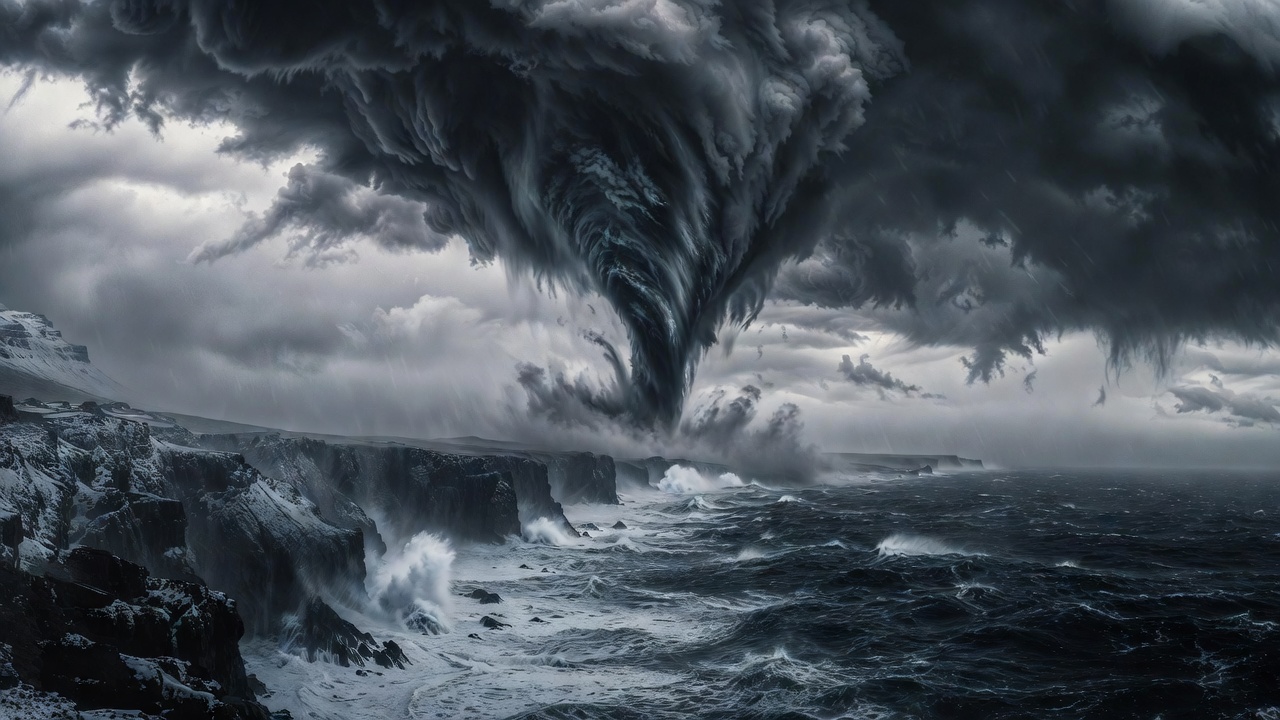
In the far reaches of the North Atlantic world, where land, sea, and sky exist in constant negotiation, language has evolved to capture forces that defy simplicity. Among these linguistic expressions stands stormuring, a term that goes beyond meteorology and enters the realm of cultural identity, survival, and respect for nature’s authority. While often translated simply as “stormy weather” or “great storm,” stormuring conveys a far deeper meaning—one shaped by centuries of lived experience in a volatile environment.
Unlike generic weather terminology, stormuring reflects a condition that is sudden, overwhelming, and transformative. It is not merely a storm that passes overhead; it is an event that alters movement, decision-making, and perception. In regions influenced by the North Atlantic climate—particularly Iceland—this word carries both practical urgency and symbolic weight.
This article explores stormuring as a linguistic artifact, a natural phenomenon, and a cultural force. Through history, science, folklore, and modern relevance, stormuring emerges as a testament to humanity’s relationship with extreme environments.
Understanding the Meaning of Stormuring
At its core, stormuring describes an intense atmospheric disturbance marked by violent winds, dense precipitation, and rapid shifts in temperature and visibility. However, the term does not function as a neutral descriptor. Instead, it signals danger, unpredictability, and the necessity for caution.
Where many languages separate storms into technical categories, stormuring operates as a holistic concept. It accounts not only for physical conditions but also for their consequences. A stormuring is defined as much by what it disrupts—travel, fishing, farming, safety—as by what it produces in the sky.
In spoken usage, the word often implies immediacy. It is not used casually. When stormuring is mentioned, it suggests that normal routines must pause and human plans must yield.
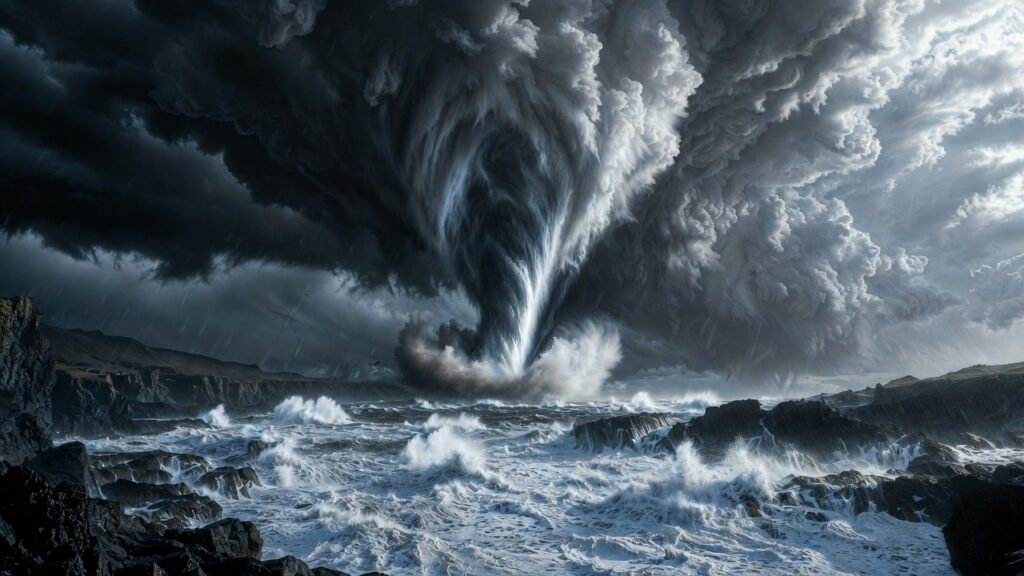
Linguistic Origins and Evolution of Stormuring
The Icelandic language is renowned for preserving ancient structures while adapting to modern needs. Stormuring belongs to a class of words that have remained semantically rich across generations.
Etymologically, stormuring is rooted in old descriptive compounds associated with wind and violent motion. Over time, the word evolved from a literal description into a term layered with emotional and cultural meaning. Its endurance reflects the consistency of the environment that produced it.
Unlike borrowed or modernized weather terms, stormuring remains deeply native. It carries the rhythm, severity, and blunt honesty characteristic of Icelandic expression, making it resistant to dilution or oversimplification.
Stormuring as a Meteorological Phenomenon
From a scientific perspective, stormuring is typically associated with powerful low-pressure systems originating over the North Atlantic. These systems intensify rapidly due to temperature contrasts between polar air masses and warmer ocean currents.
Key characteristics of stormuring include:
- Wind speeds capable of overturning vehicles and damaging infrastructure
- Heavy snow or rain reducing visibility to near zero
- Sudden temperature drops leading to flash ice formation
- Atmospheric instability that evolves within minutes
What distinguishes stormuring from ordinary storms is the speed of escalation. Conditions may appear manageable, only to become life-threatening with little warning.
The Role of Stormuring in Maritime History
Before modern forecasting, stormuring was among the greatest threats faced by sailors and fishermen. Coastal communities developed an acute sensitivity to environmental signals, learning to read clouds, wind direction, and sea behavior.
A stormuring at sea was often fatal. Ships could be driven off course, smashed against rocky shores, or swallowed by waves amplified by gale-force winds. As a result, the word became embedded in maritime cautionary language.
Even today, the announcement of stormuring triggers strict safety protocols in harbors and shipping lanes. The term functions as an operational warning, not a poetic flourish.
Stormuring in Folklore and Oral Tradition
Icelandic folklore often portrays nature as a conscious force rather than an inert backdrop. In stories passed down through generations, stormuring appears as an entity with intention and temperament.
Legends describe storms that arrive to punish arrogance, test endurance, or protect sacred land. In these narratives, stormuring is neither good nor evil—it is corrective. It reminds humans of their place within a larger system.
This storytelling tradition reinforces communal respect for weather patterns. Children grow up understanding that stormuring is not to be challenged, only endured with preparation and humility.
Psychological and Social Impact of Stormuring
Living under the constant possibility of stormuring shapes behavior in subtle ways. Communities develop resilience, patience, and adaptability. Plans remain flexible. Preparedness becomes habitual.
Psychologically, stormuring fosters a mindset of coexistence rather than control. The environment is not something to dominate but something to understand and respect. This perspective influences architecture, transportation planning, and daily decision-making.
Socially, severe weather events often strengthen communal bonds. During stormuring, isolation gives way to cooperation, shared resources, and collective responsibility.
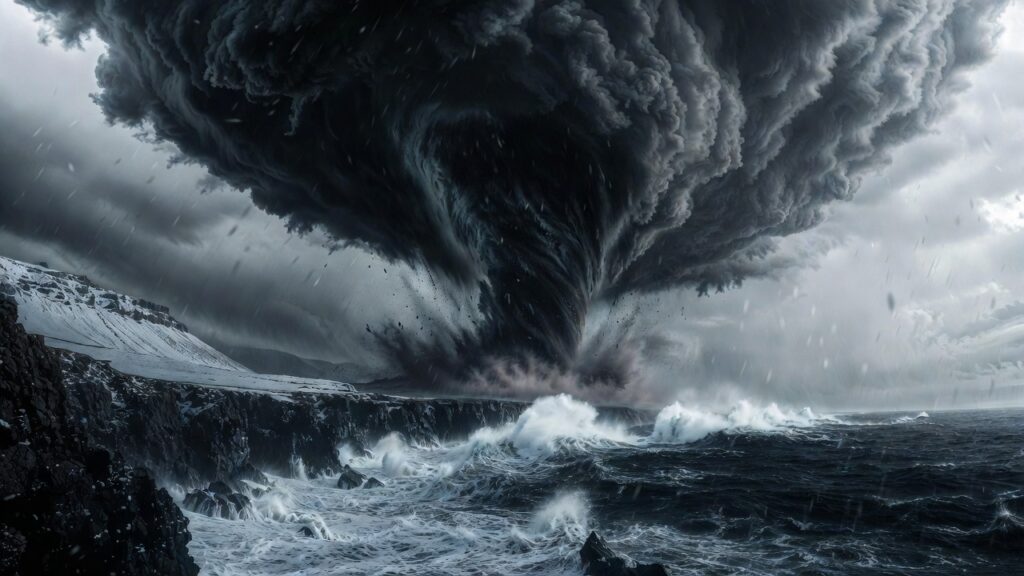
Modern Technology and Stormuring Forecasting
Advances in meteorology have significantly improved the ability to predict stormuring, though not eliminate its danger. Satellite imaging, atmospheric modeling, and oceanic data now allow forecasters to issue early warnings.
Despite this progress, stormuring remains partially unpredictable. Its intensity and localized impact can vary dramatically, reinforcing the need for caution even in the age of precision forecasting.
The persistence of uncertainty ensures that the word stormuring retains its seriousness. It has not been reduced to a technical label; it remains a signal for preparedness.
Stormuring and Climate Change
As global climate patterns shift, the behavior of North Atlantic storm systems is changing. Scientists observe increasing variability in storm strength, frequency, and trajectory.
Within this context, stormuring may become more common—or more severe. Warmer ocean temperatures provide additional energy to developing systems, while altered jet streams influence their paths.
The evolving nature of stormuring underscores its relevance in contemporary environmental discussions. The term now represents not only historical weather patterns but also future uncertainty.
Biography Table of Stormuring
| Attribute | Description |
|---|---|
| Term | stormuring |
| Language of Origin | Icelandic |
| Literal Meaning | Stormy weather / great storm |
| Cultural Significance | Symbol of nature’s dominance and unpredictability |
| Primary Region of Use | Iceland and North Atlantic maritime contexts |
| Meteorological Traits | High winds, heavy precipitation, rapid temperature shifts |
| Historical Role | Maritime warning and survival reference |
| Folkloric Presence | Personified force in oral traditions |
| Modern Usage | Weather alerts, safety communication, cultural expression |
Stormuring as a Cultural Identity Marker
Language often reveals what a society values or fears. The continued use of stormuring demonstrates a cultural commitment to accuracy and respect in describing nature.
Rather than simplifying weather into generic terms, Icelandic culture preserves specificity. Stormuring exists because it is needed—because ordinary words fail to capture extraordinary conditions.
In this way, stormuring functions as a linguistic mirror, reflecting a people shaped by wind, cold, and endurance.
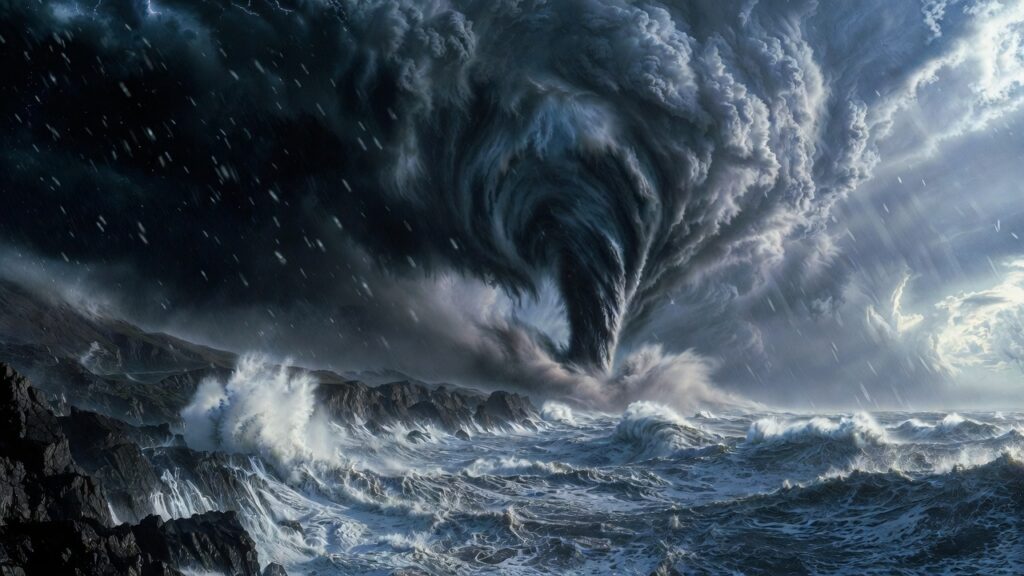
Why Stormuring Still Matters Today
In a globalized world where weather apps offer standardized forecasts, words like stormuring retain importance. They remind us that not all experiences fit neatly into universal categories.
Stormuring represents localized knowledge, earned through generations of observation and survival. It is a reminder that nature remains powerful, regardless of technological advancement.
Understanding stormuring is not just about understanding weather. It is about understanding the relationship between humans and the environments that define them.
Deduction: The Enduring Power of Stormuring
More than a term, stormuring is a narrative compressed into a single word. It tells a story of storms that arrive without warning, of people who adapt rather than resist, and of a language that refuses to oversimplify reality.
As climates evolve and storms intensify, stormuring will remain relevant—not only as a forecast but as a philosophy. It teaches respect, preparedness, and humility in the face of forces larger than ourselves.
In preserving and understanding stormuring, we preserve a way of seeing the world—one shaped by wind, resilience, and an unbreakable bond between language and landscape.