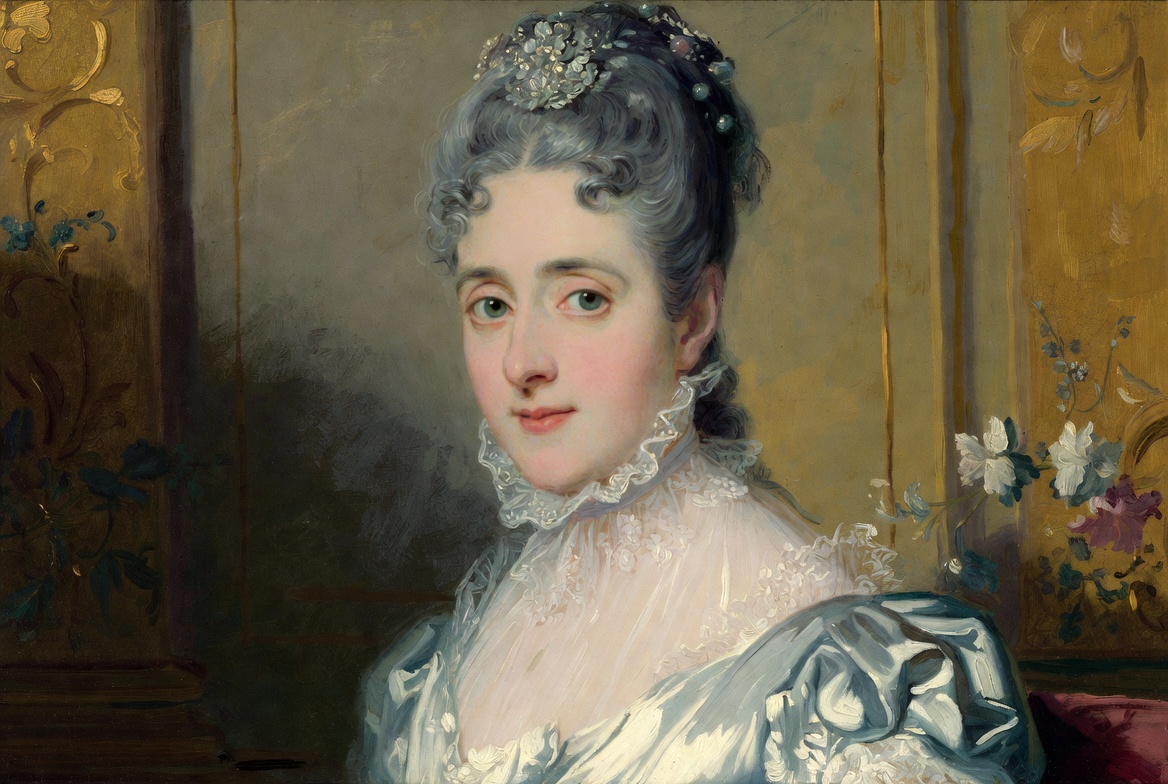
The name elizabeth mary wilhelmina bentinck holds a distinct place within the tapestry of European aristocratic history. Rooted in noble lineage and shaped by the social, cultural, and political currents of her era, elizabeth mary wilhelmina bentinck represents more than a genealogical figure—she embodies a chapter of refined tradition, influence, and quiet historical presence.
Although not always positioned at the center of public power, individuals like elizabeth mary wilhelmina bentinck played essential roles in sustaining aristocratic networks, cultural continuity, and social leadership. Her life reflects the values, expectations, and responsibilities placed upon noblewomen during a period of transformation in European society.
This article offers a detailed, structured, and authoritative exploration of elizabeth mary wilhelmina bentinck, examining her ancestry, upbringing, societal role, and enduring legacy with clarity and depth.
Historical Context of the Bentinck Family
The Bentinck family is one of Europe’s most historically significant noble houses, with origins tracing back to the Netherlands and later extending into British aristocracy. By the time of elizabeth mary wilhelmina bentinck, the family had already established a reputation for political service, diplomatic involvement, and intellectual cultivation.
The Bentincks were closely associated with governance, land stewardship, and courtly life. Their prominence meant that family members were raised with a strong sense of duty, decorum, and cultural awareness. For elizabeth mary wilhelmina bentinck, this heritage formed the foundation of her identity.
Early Life and Birth
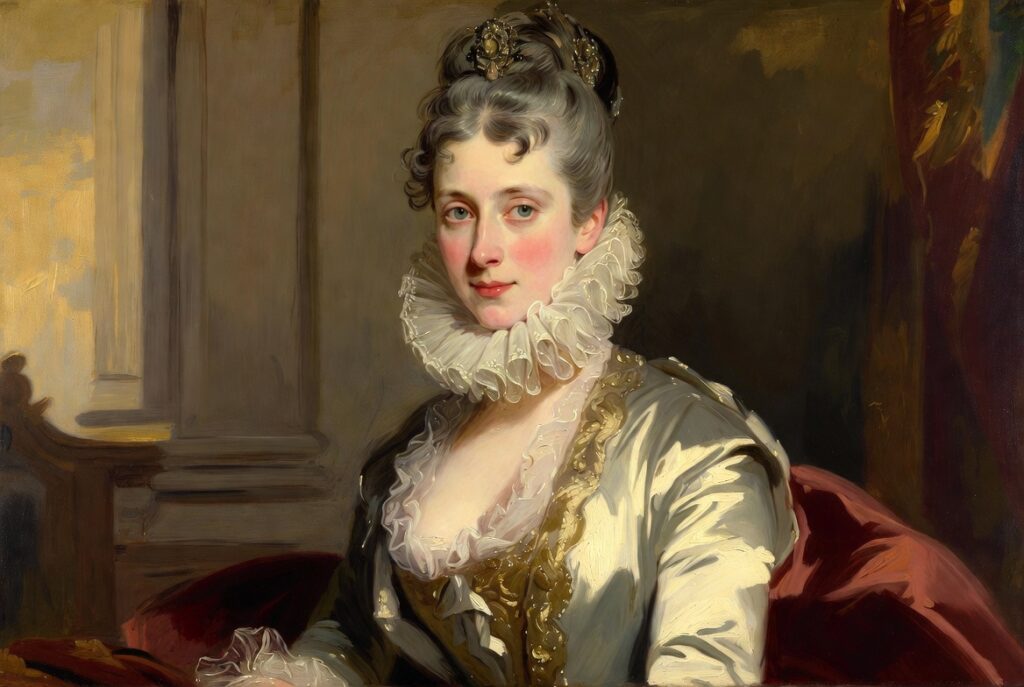
Elizabeth mary wilhelmina bentinck was born into privilege, yet her early years were guided by discipline rather than indulgence. Aristocratic households emphasized structure, moral education, and intellectual refinement. From an early age, elizabeth mary wilhelmina bentinck would have been immersed in an environment shaped by tradition and expectation.
Her upbringing likely included multilingual education, religious instruction, and exposure to art, music, and literature. These elements were considered essential for a woman of noble standing, preparing her for a life that balanced personal cultivation with social responsibility.
Education and Intellectual Formation
Education for women of the aristocracy during this era focused on producing cultured, capable individuals who could navigate complex social environments. Elizabeth mary wilhelmina bentinck would have received instruction in languages such as French and possibly German, alongside history, philosophy, and the fine arts.
Beyond formal learning, intellectual development was reinforced through correspondence, salons, and observation of political life within noble circles. Such exposure allowed elizabeth mary wilhelmina bentinck to develop a nuanced understanding of the world she inhabited.
Social Expectations and Noble Responsibilities
The role of a noblewoman extended far beyond domestic life. Elizabeth mary wilhelmina bentinck was expected to represent her family with grace, maintain social alliances, and uphold moral standards.
Her presence at social gatherings, formal events, and private assemblies would have been carefully observed. Each interaction carried symbolic weight, reinforcing family reputation and influence. In this way, elizabeth mary wilhelmina bentinck participated in a subtle yet powerful form of social leadership.
Marriage and Family Life
Marriage within aristocratic families was rarely a purely personal affair. It functioned as a strategic alliance, strengthening political, social, or economic ties. The marital life of elizabeth mary wilhelmina bentinck must be understood within this framework.
As a wife, she would have managed estates, overseen household affairs, and provided moral guidance within her family. These responsibilities required intelligence, diplomacy, and organizational skill—qualities commonly cultivated in women of her standing.
Cultural Influence and Refinement
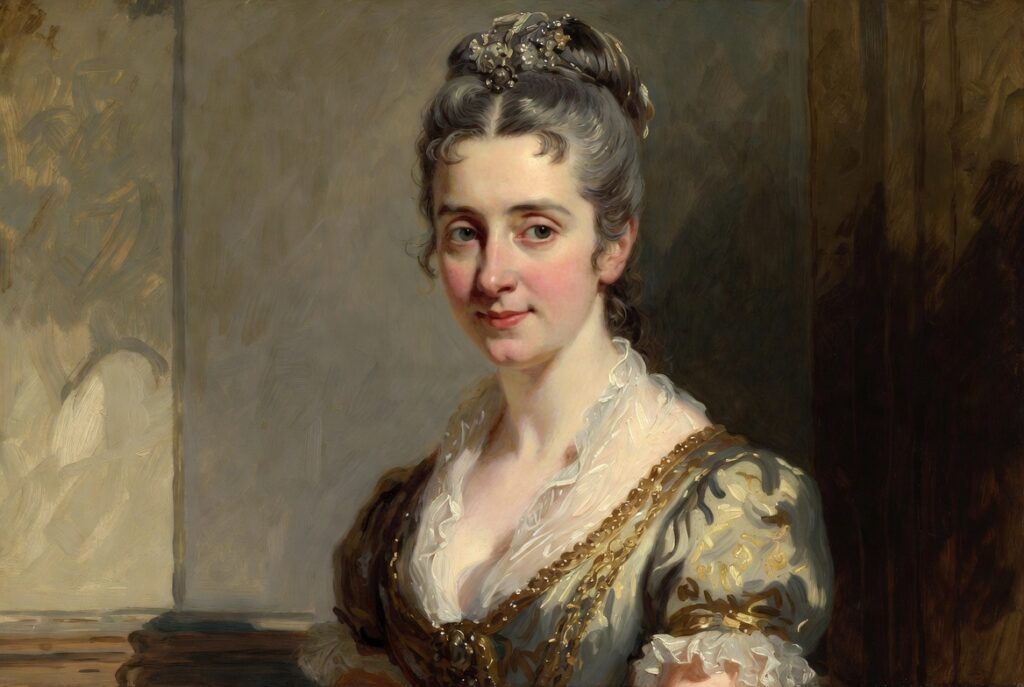
Cultural patronage was a defining feature of aristocratic life. Elizabeth mary wilhelmina bentinck would have been involved in supporting artistic and intellectual endeavors, whether through hosting gatherings, commissioning works, or encouraging education.
Her engagement with culture was not merely recreational; it contributed to the preservation and advancement of refined taste. Through such activities, elizabeth mary wilhelmina bentinck participated in shaping the cultural environment of her time.
Religious and Moral Foundations
Religion played a central role in shaping the worldview of noble families. Elizabeth mary wilhelmina bentinck would have been guided by strong moral principles rooted in faith and tradition.
These values influenced her decisions, relationships, and charitable efforts. Aristocratic women were often expected to serve as moral anchors within their families, and elizabeth mary wilhelmina bentinck exemplified this role through conduct and example.
Philanthropy and Social Contribution
Charitable involvement was a key expectation for women of nobility. Elizabeth mary wilhelmina bentinck likely participated in philanthropic initiatives aimed at education, healthcare, or religious institutions.
Such efforts were not simply acts of generosity; they reinforced social stability and demonstrated responsible stewardship. Through philanthropy, elizabeth mary wilhelmina bentinck contributed to the welfare of communities beyond her immediate social sphere.
Life During Social and Political Change
The period during which elizabeth mary wilhelmina bentinck lived was marked by transformation. Shifts in political power, economic structures, and social values challenged traditional aristocratic roles.
Navigating these changes required adaptability. Elizabeth mary wilhelmina bentinck represents the resilience of noble identity during an era when inherited privilege increasingly intersected with modern ideals.
Personal Character and Reputation
Historical accounts of aristocratic figures often emphasize reputation over personality, yet the consistency of conduct provides insight into character. Elizabeth mary wilhelmina bentinck was regarded as dignified, composed, and socially adept.
Her reputation would have been shaped by discretion, loyalty, and a commitment to family honor. Such traits ensured respect within aristocratic circles and reinforced her lasting legacy.
Later Years and Reflection
In her later years, elizabeth mary wilhelmina bentinck likely assumed a role of guidance and mentorship within her family. Elder members of noble households were valued for wisdom and continuity.
These years offered reflection on a life shaped by tradition and service. The experiences of elizabeth mary wilhelmina bentinck provide insight into the enduring values of aristocratic life even as society evolved.
Death and Historical Remembrance
The passing of elizabeth mary wilhelmina bentinck marked the conclusion of a life deeply intertwined with noble heritage. While not always highlighted in mainstream historical narratives, her memory endures through family records and historical scholarship.
Such remembrance underscores the importance of individuals who sustained social structures and cultural continuity behind the scenes.
Legacy and Historical Significance
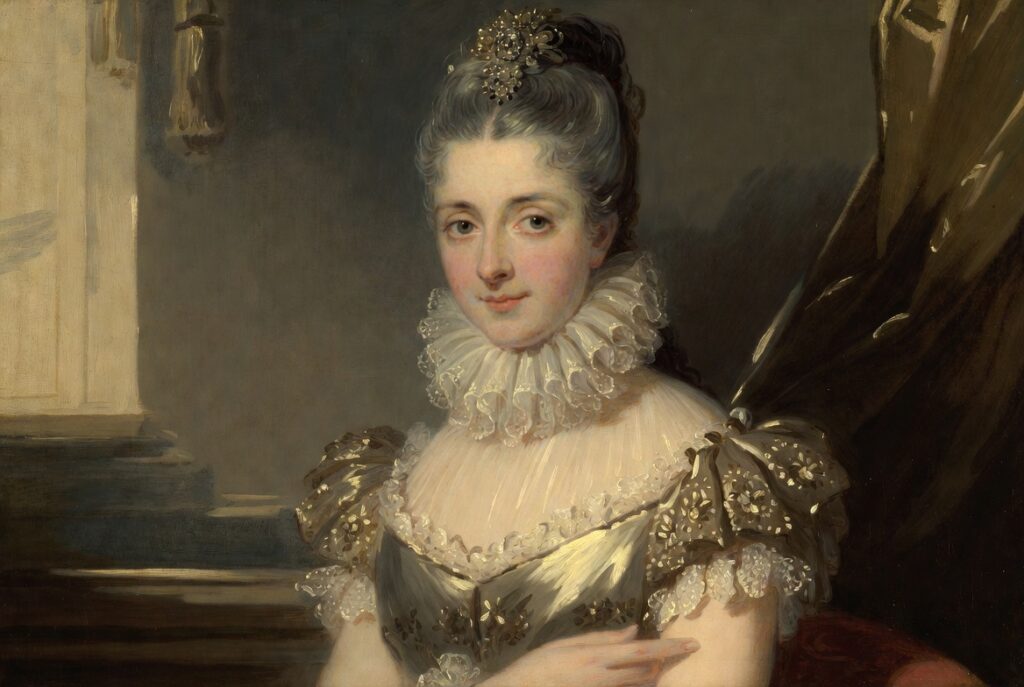
The legacy of elizabeth mary wilhelmina bentinck lies in representation rather than revolution. She symbolizes the refined influence of aristocratic women whose contributions shaped families, culture, and society.
Her life offers historians and readers a lens through which to understand the quiet power of tradition, responsibility, and cultivated influence.
Why Elizabeth Mary Wilhelmina Bentinck Still Matters
Studying figures like elizabeth mary wilhelmina bentinck deepens our understanding of history beyond political leaders and public figures. Her story highlights the social frameworks that supported governance, culture, and continuity.
In an age focused on visibility and immediacy, the life of elizabeth mary wilhelmina bentinck reminds us that lasting impact often occurs through consistency, integrity, and stewardship.
Deduction
Elizabeth mary wilhelmina bentinck stands as a testament to the enduring role of aristocratic women in European history. Her life, shaped by heritage and responsibility, reflects a world where influence was exercised with subtlety and purpose.
Through education, culture, philanthropy, and family leadership, elizabeth mary wilhelmina bentinck contributed to a legacy that continues to invite scholarly interest and thoughtful reflection. Her story enriches our understanding of history’s quieter yet essential figures, ensuring her place within a refined and enduring narrative.